Comparison
Serger needles vs regular sewing machine needles
Published
Short answer
Many home sergers use the same flat-shank 130/705H (also called HAx1 or 15x1) needles as a regular sewing machine. Some sergers and most coverstitch machines specify ELx705, a 130/705H-compatible needle with a chrome finish and a longer scarf that helps the loopers catch the thread. Industrial sergers use different round-shank systems. Always follow your manual, because the wrong system can cause skipped stitches or damage.
Machines for this job
All 7 picks compared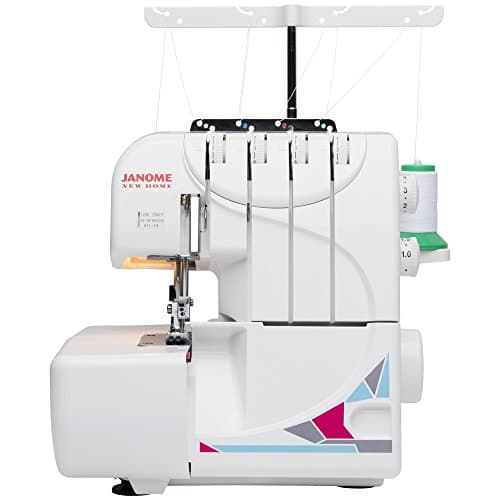
Janome MOD-8933: lay-in threading, quick rolled hem
See price on AmazonSee it on Amazon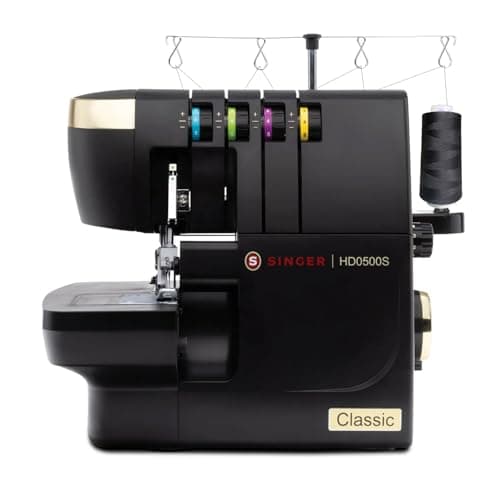
Singer HD0500S: 2-3-4 thread, lower looper LED
See price on AmazonSee it on Amazon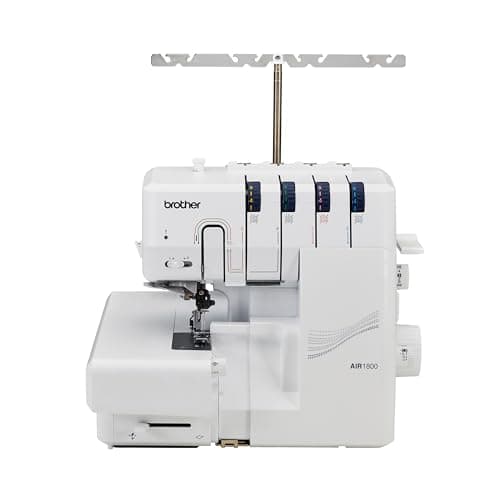
Brother AIR1800: jet air looper threading
See price on AmazonSee it on Amazon
Verdict
Use standard 130/705H needles in a home serger when its manual lists them, and buy ELx705 needles when your serger or coverstitch machine specifies that system. Pair cone serger thread with your serger and all-purpose thread with your sewing machine.
Serger owners often find needle packs labeled for sergers, coverstitch and household machines and wonder whether they really differ. This page is for home sewists who want the short answer and the reasons behind it. We cover needle systems, what makes an ELx705 different, which machines need which, how serger thread compares with regular sewing thread, and how to install serger needles correctly. Related charts and tools are linked throughout.
Needle systems in plain terms
A needle system describes the needle's shank, length and shape, so it fits a machine's needle bar and lines up with the hook or loopers. The household system used by nearly all home sewing machines is 130/705H. You will also see it labeled HAx1 or 15x1. It has a flat side on the shank so it only goes in one way.
The ELx705 system shares the household shank and length, so it fits machines designed for 130/705H, but it is built for looper machines: it has a chrome finish, a longer scarf (the scooped area above the eye) and a reinforced blade. Those features help the looper pick up the thread loop reliably and reduce skipped stitches on stretchy knits.
Industrial overlock machines use their own systems, often round-shank needles such as DCx27. Those do not fit home sergers. Our sewing machine needle size chart explains how needle sizes like 80/12 and 90/14 are read.
Serger, coverstitch and sewing machine needles compared
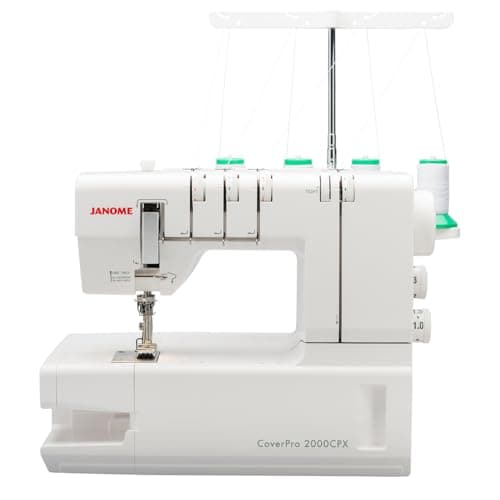
As an example from a current listing, the Janome Cover Pro 1000CPX bundle includes two packs of Schmetz ELx705 needles, which shows how commonly coverstitch machines are paired with that system. For a serger, look up the needle line in the manual's specifications or the needle section. If it lists 130/705H, regular household needles in the right size work; if it lists ELx705, buy those.
130/705H (HAx1, 15x1)
- Used in
- Home sewing machines and many home sergers
- Shank
- Flat
- Notes
- Universal, ballpoint, stretch and other point types available
ELx705
- Used in
- Many coverstitch machines and some home sergers
- Shank
- Flat, household length
- Notes
- Chrome finish, longer scarf, helps loopers catch thread
DCx27 and similar
- Used in
- Industrial overlock machines
- Shank
- Round
- Notes
- Not for home sergers
| Needle | Used in | Shank | Notes |
|---|---|---|---|
| 130/705H (HAx1, 15x1) | Home sewing machines and many home sergers | Flat | Universal, ballpoint, stretch and other point types available |
| ELx705 | Many coverstitch machines and some home sergers | Flat, household length | Chrome finish, longer scarf, helps loopers catch thread |
| DCx27 and similar | Industrial overlock machines | Round | Not for home sergers |
Which home machines take which needle
The rule is simple: the manual wins. If you have lost yours, most makers post manuals on their support sites. Using a needle with the wrong shank or length can put the eye in the wrong place relative to the loopers, which leads to skipped stitches and, at worst, a needle hitting a looper. The needle and thread finder suggests needle types for your fabric and notes when to check a serger or coverstitch manual for system.
- Most home sewing machines: 130/705H.
- Many home sergers: 130/705H, often in sizes 11 and 14, with ELx705 as an optional upgrade where the manual allows it.
- Some home sergers: ELx705 specified by the maker.
- Most home coverstitch machines: ELx705 commonly specified or recommended.
- Industrial overlock and coverstitch: industrial round-shank systems.
Note.Turn the serger off before changing needles. The knife and loopers sit close to the needle area.
Installing serger needles correctly
A needle that is not fully seated is a common cause of skipped stitches and broken threads on sergers. If your threads keep snapping after a needle change, see serger thread keeps breaking, and for regular machines, sewing machine skipping stitches.
- 1
Turn the machine off and unplug it.
- 2
Raise the needles to their highest point with the handwheel.
- 3
Loosen only the clamp screw for the needle you are changing.
- 4
Insert the new needle with the flat side facing the back, unless your manual says otherwise.
- 5
Push the needle all the way up until it stops. On many sergers the two needles sit at slightly different heights, so they will not line up.
- 6
Tighten the screw, rethread that needle, and test on a scrap.
Serger thread vs regular sewing thread
Serger thread usually comes on large cones and is typically finer than all-purpose sewing thread. That works on a serger because three or four threads share the work in every stitch, and the large cones hold enough thread for long seams with several spools running at once.
Regular all-purpose thread, often 50 weight polyester, is stronger per strand and is the right choice for lockstitch seams on a sewing machine. Serger thread is fine for basting or light work in a sewing machine, but for seams that carry stress, use all-purpose thread. You can use all-purpose spools on a serger in a pinch, with cone adapters or spool caps as your manual describes. For decorative edges, many sewists put woolly nylon in the loopers for soft, stretchy coverage. Our machine embroidery thread weights page explains how thread weight numbers work.
Choosing needle sizes and types for serging
Match the needle to the fabric just as you would on a sewing machine. Size 75/11 or 80/12 suits light and medium knits, and 90/14 suits heavier fabric such as fleece or denim. Use a ballpoint or stretch point on knits if your serger's needle system offers it. On a sewing machine, see sewing machine needle keeps breaking if heavy seams are snapping needles.
For machines, our best serger and best coverstitch machine guides note what each model is designed for, and serger vs coverstitch explains the difference between the machines themselves.
Frequently asked questions
Can I use regular sewing machine needles in my serger? If your serger's manual lists 130/705H, HAx1 or 15x1, yes. If it lists ELx705 or an industrial system, use what the manual specifies.
Can I use ELx705 needles in my sewing machine? ELx705 shares the household shank and length, so it generally fits machines that take 130/705H. It is designed for looper machines, so standard needles are the usual choice for a sewing machine.
Is serger thread weaker than regular thread? It is usually finer per strand. On a serger, several threads share the load. On a sewing machine, use all-purpose thread for structural seams.
How often should I change serger needles? Change them when you see skipped stitches, snags or pulled threads, after hitting a pin, or when starting a new project on different fabric.