Explainer
Sewing machine bobbin size chart
Published
Short answer
Most modern home sewing machines take a Class 15 style bobbin, about 20.5 mm across and 11.7 mm tall with flat sides. Older Singer drop-in machines often take Class 66, which has slightly curved sides. Industrial machines and many quilting and multi-needle embroidery machines use the slimmer L style or the larger M style. Bobbins that look alike are not always interchangeable, so confirm the type in your manual.
Machines for this job
All 7 picks compared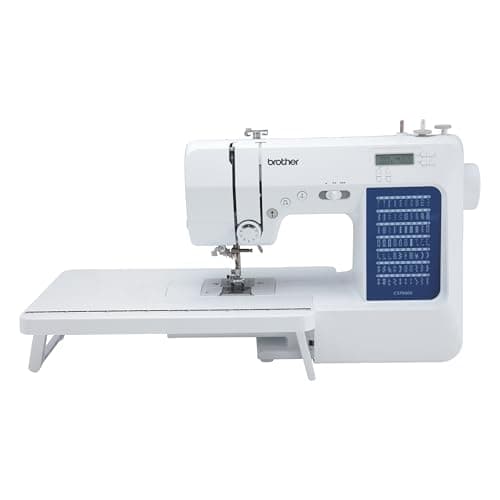
Brother CS7000X: 70 stitches, metal frame, wide table
See price on AmazonSee it on Amazon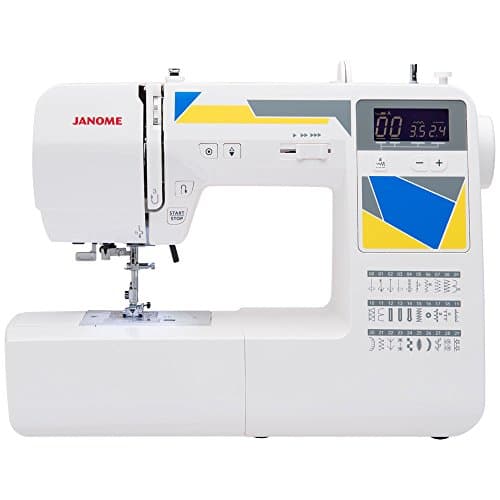
Janome MOD-30: 30 stitches with 3 one-step buttonholes
See price on AmazonSee it on Amazon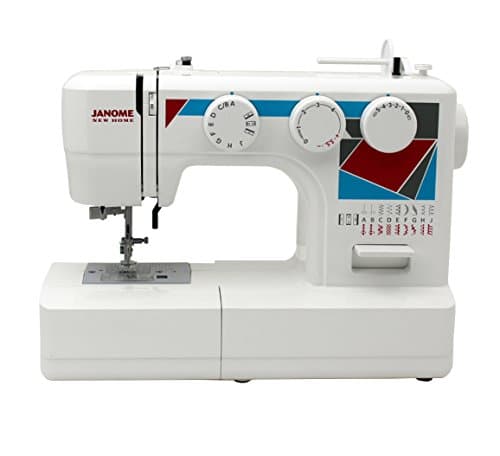
Janome MOD-19: simple mechanical with 19 stitches
See price on AmazonSee it on Amazon
This page is for sewists buying spare bobbins or pre-wound bobbins who want to be sure they get the right ones. It explains what a bobbin does, compares the common bobbin classes by size and shape, lists the kinds of machines that use each, and shows how to identify the bobbin your machine needs. It also covers metal versus plastic bobbins and the problems a wrong bobbin causes. Sizes below are approximate, since makers vary slightly, which is exactly why the manual's part number matters.
What a bobbin does
A bobbin is the small spool that holds the lower thread in a lockstitch sewing machine. It sits in a bobbin case or holder under the needle plate. As the needle goes down, the hook catches the top thread and wraps it around the bobbin case, locking it with the bobbin thread in the middle of the fabric.
Because the bobbin spins inside a closely fitted case, its size and shape must match the case. A bobbin that is too tall, too short or the wrong shape can wobble, drag or spin unevenly. That shows up as loose stitches, loops, thread nests or jams.
Bobbin size chart
Class 15 and Class 66 bobbins are close in size and are often confused. Class 66 sides curve slightly outward, while Class 15 sides are flat. Using one in a machine designed for the other is a common cause of tension problems. Some brands also make their own Class 15 versions with small differences, so the safest buy is the bobbin your manual names, or a bobbin sold for your exact model.
Class 15 (and 15J variants)
- Approx. diameter x height
- 20.5 x 11.7 mm
- Shape
- Flat sides
- Common in
- Most modern domestic machines from many brands
Class 66
- Approx. diameter x height
- 20.5 x 11 mm
- Shape
- Slightly curved, domed sides
- Common in
- Many older Singer drop-in machines
L style
- Approx. diameter x height
- 20.3 x 8.9 mm
- Shape
- Flat, slimmer
- Common in
- Industrial lockstitch, some quilting and multi-needle embroidery machines
M style
- Approx. diameter x height
- 24.9 x 10.6 mm
- Shape
- Flat, larger
- Common in
- Many longarm quilting and heavy industrial machines
Brand-specific
- Approx. diameter x height
- Varies
- Shape
- Varies
- Common in
- Some Bernina, Pfaff, Viking and other models with their own bobbins
| Type | Approx. diameter x height | Shape | Common in |
|---|---|---|---|
| Class 15 (and 15J variants) | 20.5 x 11.7 mm | Flat sides | Most modern domestic machines from many brands |
| Class 66 | 20.5 x 11 mm | Slightly curved, domed sides | Many older Singer drop-in machines |
| L style | 20.3 x 8.9 mm | Flat, slimmer | Industrial lockstitch, some quilting and multi-needle embroidery machines |
| M style | 24.9 x 10.6 mm | Flat, larger | Many longarm quilting and heavy industrial machines |
| Brand-specific | Varies | Varies | Some Bernina, Pfaff, Viking and other models with their own bobbins |
Which machines use which bobbin
Class 15 style bobbins are the most common bobbin in home machines. They are used in many Brother, Janome, Singer and Juki domestic machines, both front-loading and drop-in. Even so, a given model may specify plastic only, metal only, or a branded version.
Class 66 bobbins are common in older Singer machines with a top drop-in bobbin. Many vintage front-loading Singers use Class 15 instead, so check by model.
L style bobbins are used in many single-needle industrial lockstitch machines and in a number of multi-needle embroidery machines. They hold less thread than M style but fit a compact hook.
M style bobbins are larger and hold much more thread, which is why longarm quilting machines and heavy industrial machines often use them. Fewer bobbin changes matter when you are stitching a whole quilt.
For machine-specific choices, see the best industrial sewing machines for home and the best quilting machines with a large throat.
How to tell which bobbin your machine takes
- 1
Check the manual. It lists the bobbin type or part number, and often whether it should be plastic or metal.
- 2
Look up the model on the manufacturer's website if you no longer have the manual.
- 3
Take out the bobbin that came with the machine and compare its shape: flat sides suggest Class 15, slightly domed sides suggest Class 66.
- 4
Measure the diameter and height with a ruler or calipers and compare with the chart above.
- 5
Note whether the machine is drop-in (top-loading) or front-loading with a removable bobbin case, since some drop-in systems are designed only for plastic bobbins.
- 6
When in doubt, buy bobbins sold for your exact brand and model.
Note.A bobbin that almost fits is not good enough. If it rattles, sticks or sits crooked in the case, stop using it.
Metal vs plastic bobbins
Some machines are designed for metal bobbins and some for plastic. Drop-in bobbin systems often use plastic, and some have a magnet or sensor near the bobbin that a metal bobbin can affect. Front-loading machines with a metal bobbin case often use metal bobbins. Use the material your manual specifies.
Plastic bobbins let you see how much thread is left. Metal bobbins resist warping. Either type should be discarded if it is cracked, bent or nicked, since damage at the rim snags thread.
Pre-wound bobbins are popular for machine embroidery and quilting because they hold more thread and wind evenly. They are sold by class, such as Class 15 or L style, so match the class to your machine.
Problems caused by the wrong bobbin
If you see these after buying new bobbins, switch back to the bobbin that came with the machine and test again. For other causes, see sewing machine tension problems, thread bunching underneath and Janome sewing machine problems. If you are shopping for a machine, see the best sewing machines for beginners.
- Loose stitches or loops on the underside
- Bobbin thread pulling up to the top of the fabric
- A rattling or clicking sound from the bobbin area
- Thread nests or jams under the needle plate
- Uneven stitches that change along a seam
- Bobbin winding unevenly or slipping on the winder
Frequently asked questions
What is a sewing machine bobbin? It is the small spool that holds the lower thread. It sits in a bobbin case under the needle plate and supplies the thread that locks with the top thread to form each stitch.
Are all sewing machine bobbins the same size? No. Class 15, Class 66, L and M style bobbins differ in size or shape, and some brands use their own bobbins. Use the type your manual lists.
Can I use Class 15 bobbins in a machine that takes Class 66? It is not recommended. The shapes differ enough to cause tension problems and jams.
What size bobbin does a Brother sewing machine use? Many Brother home machines use a Class 15 style bobbin, but confirm the exact type and material in your model's manual.