Fix
Thread bunching or looping under the fabric
Published
Short answer
A tangle or loops under the fabric almost always means the upper thread is not under proper tension, usually because it missed the tension discs or the take-up lever. Raise the presser foot, remove the upper thread and rethread it completely with the foot up and the needle at its highest point. If it continues, check the bobbin direction, the needle and lint in the bobbin area.
Machines for this job
All 7 picks compared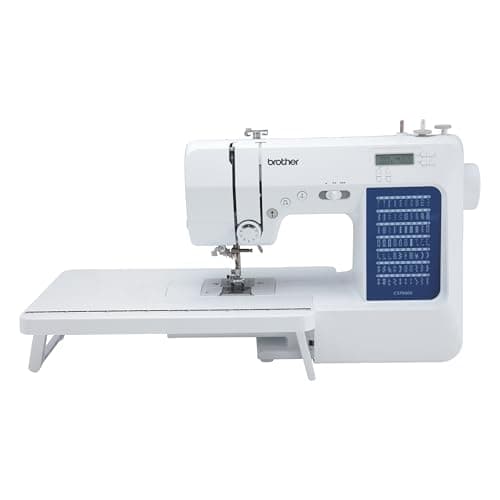
Brother CS7000X: 70 stitches, metal frame, wide table
See price on AmazonSee it on Amazon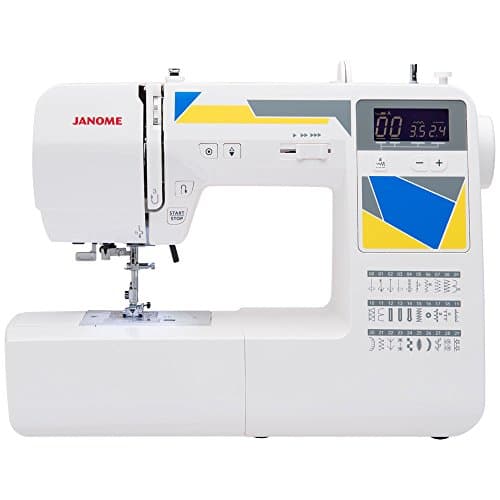
Janome MOD-30: 30 stitches with 3 one-step buttonholes
See price on AmazonSee it on Amazon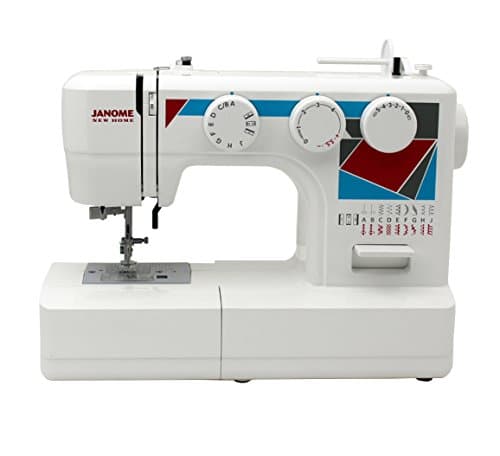
Janome MOD-19: simple mechanical with 19 stitches
See price on AmazonSee it on Amazon
You start sewing and the top looks fine, but underneath there is a nest of thread or a row of loose loops. This page is for home sewists facing that problem on any lockstitch machine. It explains why the problem shows up on the underside even though the cause is usually on top, gives a two-minute check that fixes most cases, and then walks through the less common causes in the order to check them, cheapest and most likely first.
Why the mess is underneath but the cause is on top
A lockstitch forms when the hook catches the upper thread, carries it around the bobbin and the take-up lever pulls it back up to lock with the bobbin thread inside the fabric. The upper thread tension is what pulls the loop tight. If the upper thread is not held by the tension discs, or misses the take-up lever, the loop is not pulled up, and the slack piles up on the underside as loops or a nest.
That is why rethreading the top fixes this so often, even though the bobbin side is where you see the mess. The diagram shows how the two threads interlock.
The two-minute check
To confirm the thread is in the tension discs, lower the presser foot and pull the thread near the needle. You should feel firm, even resistance. With the foot up, it should pull freely. If it pulls freely both ways, the thread is not in the discs.
- 1
Stop sewing, raise the needle to its highest point and lift the presser foot.
- 2
Cut the upper thread at the spool and pull it out through the needle, not backward through the tension.
- 3
With the presser foot up, rethread the upper thread completely, following every guide. Raising the foot opens the tension discs so the thread can drop between them.
- 4
Make sure the thread goes through the eye of the take-up lever. Turn the handwheel toward you to bring the lever to its highest point if you cannot see it.
- 5
Thread the needle front to back, or as your manual shows.
- 6
Hold both thread tails lightly behind the foot for the first few stitches, then sew a test on scrap.
Note.Threading with the presser foot down is the most common cause of this problem. The discs are closed and the thread rides over them.
Other causes, in the order to check
Check each one before moving to the next. Most people never need to go beyond the second row.
Upper thread missed tension discs
- How to tell
- Thread pulls freely with foot down
- Fix
- Rethread with the presser foot up
Missed take-up lever
- How to tell
- Thread not visible in lever eye
- Fix
- Rethread through the lever
Starting without holding tails
- How to tell
- Nest only at the start of seams
- Fix
- Hold tails for 2 or 3 stitches
Bobbin inserted the wrong way
- How to tell
- Bobbin turns the wrong direction
- Fix
- Reinsert per the diagram on the machine
Wrong bobbin type
- How to tell
- Bobbin wobbles or sits high
- Fix
- Use the class listed in the manual
Lint in tension discs or bobbin area
- How to tell
- Machine has not been cleaned
- Fix
- Clean the bobbin area and floss the discs
Damaged or wrong needle
- How to tell
- Bent, dull or wrong size
- Fix
- Replace the needle
Upper tension set very low
- How to tell
- Dial near zero
- Fix
- Return to the default setting
| Cause | How to tell | Fix |
|---|---|---|
| Upper thread missed tension discs | Thread pulls freely with foot down | Rethread with the presser foot up |
| Missed take-up lever | Thread not visible in lever eye | Rethread through the lever |
| Starting without holding tails | Nest only at the start of seams | Hold tails for 2 or 3 stitches |
| Bobbin inserted the wrong way | Bobbin turns the wrong direction | Reinsert per the diagram on the machine |
| Wrong bobbin type | Bobbin wobbles or sits high | Use the class listed in the manual |
| Lint in tension discs or bobbin area | Machine has not been cleaned | Clean the bobbin area and floss the discs |
| Damaged or wrong needle | Bent, dull or wrong size | Replace the needle |
| Upper tension set very low | Dial near zero | Return to the default setting |
Check the bobbin
Take the bobbin out and put it back as the diagram on the machine shows. On many drop-in machines, the thread should unwind counterclockwise when you look down, and it must be pulled through the slot in the bobbin case so it is under the bobbin tension spring. On front-loading machines, the thread must clip into the case tension spring.
Use the bobbin type your manual specifies. Class 15, class 66 and L-style bobbins look similar but are different heights and profiles, and a wrong one can wobble and tangle. Our bobbin size chart explains the differences. Wind bobbins evenly at a moderate speed; a loosely or unevenly wound bobbin can also cause loops.
Clean, change the needle and check tension
Lint packed in the bobbin area or a thread scrap caught in the tension discs can stop the thread from being gripped. Unplug the machine, remove the needle plate and brush out the lint. To clean the discs, raise the presser foot and run a length of unwaxed dental floss or a folded piece of fabric gently between them. See how to clean and oil a sewing machine for the full routine, and follow your manual on oiling.
Replace the needle with a new one of the right type and size for your fabric. Our needle size chart and needle and thread finder give the right pair. Finally, set the upper tension dial back to its default, often around 4 on many machines, and test. If the stitch still looks unbalanced, see sewing machine tension problems.
When to get the machine serviced
If you have rethreaded with the foot up, reinserted the correct bobbin, cleaned the machine, changed the needle and reset the tension, and the nest still appears, the problem may be a burr on the hook, a damaged bobbin case or a timing issue. Those need a qualified technician. Keep turning the handwheel gently if the machine is jammed, and do not force it; see sewing machine keeps jamming.
If the machine is old and repairs would cost a large share of a new one, our beginner sewing machine guide and computerized sewing machine guide list current options.
Frequently asked questions
Why is my sewing machine looping underneath? Usually the upper thread is not in the tension discs or the take-up lever. Rethread the top with the presser foot raised and the needle at its highest point.
Is thread bunching a bobbin problem? Sometimes, but less often than people think. The bobbin should be checked second, after rethreading the upper thread.
Why does the thread bunch only at the start of a seam? The thread tails were not held. Hold both tails lightly behind the foot for the first two or three stitches, and start with the needle at its highest point.
Should I adjust the bobbin tension? Rarely. Fix upper threading, bobbin seating and cleaning first. Only adjust bobbin tension if your manual describes how and you have ruled out everything else.