Fix
Why your sewing machine keeps jamming and how to stop it
Published
Short answer
Most jams come from the top thread being threaded with the presser foot down, a bobbin inserted the wrong way, lint or thread scraps in the hook area, or starting a seam without holding the thread tails. Clear the jam gently, clean the bobbin area, rethread both threads with the presser foot up, and hold the tails for the first few stitches.
Machines for this job
All 7 picks compared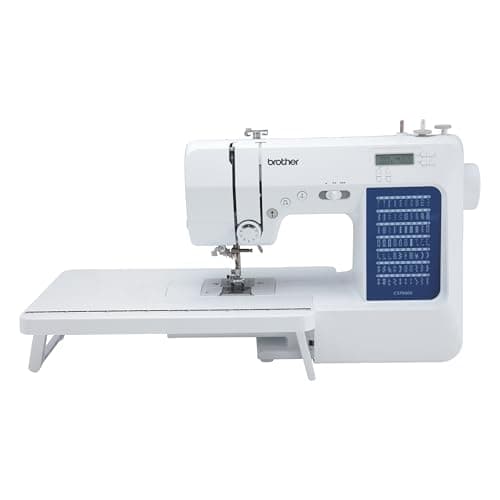
Brother CS7000X: 70 stitches, metal frame, wide table
See price on AmazonSee it on Amazon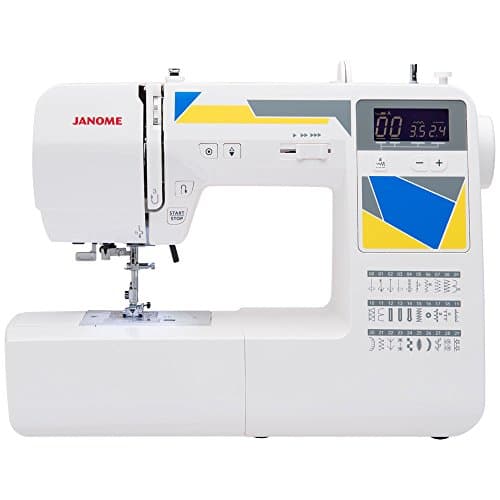
Janome MOD-30: 30 stitches with 3 one-step buttonholes
See price on AmazonSee it on Amazon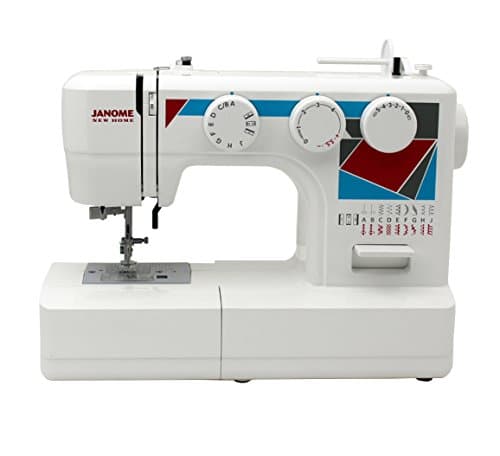
Janome MOD-19: simple mechanical with 19 stitches
See price on AmazonSee it on Amazon
A sewing machine jam usually looks like a wad of thread under the fabric, a hand wheel that will not turn, or fabric pulled down into the needle plate. It is frustrating, but it is rarely a sign that something is broken. This guide shows how to clear a jam without damaging the machine, explains the common causes in the order to check them, and covers the habits that stop jams from coming back. It applies to most home sewing machines with drop-in or front-loading bobbins; check your manual for model-specific steps.
How to clear a jam safely
Most jams clear this way in a few minutes. If the hand wheel still will not turn after the area is clear, or turns with a grinding feel, stop and have the machine serviced.
- 1
Stop sewing and turn off the machine. Do not force the hand wheel.
- 2
Raise the presser foot and, if possible, raise the needle by turning the hand wheel toward you gently.
- 3
Cut the top thread above the fabric and any threads connecting the fabric to the machine.
- 4
Lift the fabric gently away. Do not yank it.
- 5
Remove the needle plate if your machine allows, and take out the bobbin and bobbin case if removable.
- 6
Pull out all thread scraps and lint with tweezers and a brush.
- 7
Reinstall the bobbin case exactly as the manual shows, then the plate.
- 8
Insert a new needle if the old one hit anything, then rethread top and bobbin.
Note.Always turn off the machine before putting fingers or tools near the needle and hook area.
Common causes, most likely first
Top thread threaded with the presser foot down
- What you see
- Big nest of thread underneath
- Fix
- Rethread with the presser foot up so thread enters the tension discs
Bobbin inserted the wrong way or wrong bobbin
- What you see
- Nest or loops underneath, jam at start
- Fix
- Insert as the manual shows; use the correct bobbin class
Not holding thread tails at the start
- What you see
- Thread pulled into the hole at the first stitch
- Fix
- Hold both tails behind the foot for the first stitches
Lint or thread scraps in the hook area
- What you see
- Jams return, noisy operation
- Fix
- Remove plate and clean
Fabric pushed into the needle plate
- What you see
- Thin fabric sucked into the hole
- Fix
- Start on a scrap or use a straight stitch plate
Bent or wrong needle
- What you see
- Jams plus skipped stitches
- Fix
- New needle matched to fabric
Bobbin case out of position
- What you see
- Clicking, needle hitting the case
- Fix
- Reseat the bobbin case
| Cause | What you see | Fix |
|---|---|---|
| Top thread threaded with the presser foot down | Big nest of thread underneath | Rethread with the presser foot up so thread enters the tension discs |
| Bobbin inserted the wrong way or wrong bobbin | Nest or loops underneath, jam at start | Insert as the manual shows; use the correct bobbin class |
| Not holding thread tails at the start | Thread pulled into the hole at the first stitch | Hold both tails behind the foot for the first stitches |
| Lint or thread scraps in the hook area | Jams return, noisy operation | Remove plate and clean |
| Fabric pushed into the needle plate | Thin fabric sucked into the hole | Start on a scrap or use a straight stitch plate |
| Bent or wrong needle | Jams plus skipped stitches | New needle matched to fabric |
| Bobbin case out of position | Clicking, needle hitting the case | Reseat the bobbin case |
Threading and bobbin mistakes
The single most common jam is a nest of thread underneath the fabric, and it is usually caused by the top thread, not the bobbin. When the presser foot is down, the tension discs are closed, and the thread misses them when you thread. Without tension, loose top thread piles up under the fabric. Always rethread with the presser foot raised. Our guide to thread bunching underneath covers this in detail.
Bobbins cause jams when they are inserted backward, when the thread is not pulled through the tension spring, or when the bobbin is the wrong class for the machine. Bobbins can look nearly identical but differ in size or shape. Check the bobbin size chart and your manual.
Starting seams without jams
Many jams happen in the first few stitches. With no fabric under the needle, or with thread tails loose, the hook can pull the thread down into the bobbin area.
- Hold both thread tails behind the foot for the first two or three stitches.
- Start with the needle in the fabric, not at the very edge.
- Use a small scrap as a leader to start on, then sew onto your project (sometimes called a leader or ender).
- For thin fabrics, use a smaller needle, a straight stitch needle plate, or tissue paper under the fabric.
- Do not pull or push the fabric; let the feed dogs move it.
Cleaning and maintenance to prevent jams
Lint builds up quickly under the needle plate, especially with cotton, flannel and batting. Clean the bobbin area every few bobbins or at the end of each project. Use a small brush, not canned air blown into the machine, which can push lint deeper. Oil only if your manual calls for it and only where it says.
If the machine still jams after cleaning, rethreading and a new needle, there may be damage such as a burr on the hook or bobbin case from a needle strike, or timing that is out. Those need a technician. See how to clean and oil a sewing machine and how often to service a sewing machine. If your machine struggles with thick fabric and jams on heavy seams, a heavy duty sewing machine may suit your projects better.
Frequently asked questions
Why does my sewing machine jam at the start of a seam? Usually the thread tails are not held, or the needle starts too close to the fabric edge. Hold the tails and start a little in from the edge or on a scrap.
Why is my sewing machine stuck and the hand wheel will not turn? Thread is probably wrapped around the hook or caught in the bobbin area. Turn off the machine, remove the plate and bobbin case, and clear the thread.
Is it the top thread or the bobbin causing the jam? A nest under the fabric usually means a top threading problem. Rethread the top with the presser foot up first.
Can jams damage my machine? Repeated hard jams can bend needles, burr the hook or knock timing out. Stop at the first sign of a jam and clear it gently.