Fix
Serger problems: thread breaking and skipped stitches
Published
Short answer
Most serger thread breaks and skipped stitches come from threading: a thread missed a guide, slipped out of the tension discs or was threaded in the wrong order. Unthread the needles, rethread the loopers and needles in the order your manual gives, with the presser foot up. Then check the needle type and size, the thread path from the spools and the tension settings.
Machines for this job
All 7 picks compared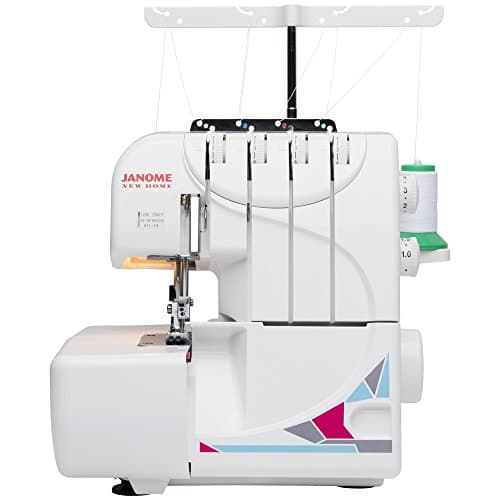
Janome MOD-8933: lay-in threading, quick rolled hem
See price on AmazonSee it on Amazon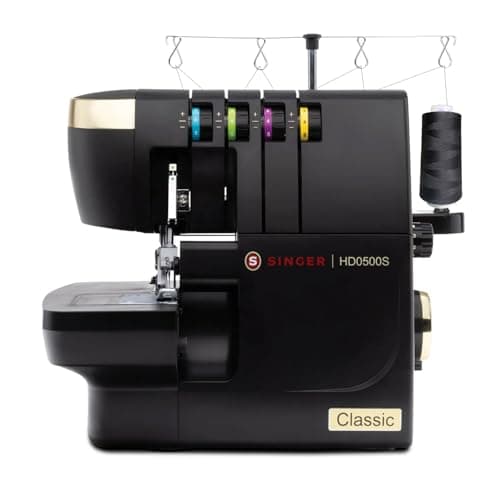
Singer HD0500S: 2-3-4 thread, lower looper LED
See price on AmazonSee it on Amazon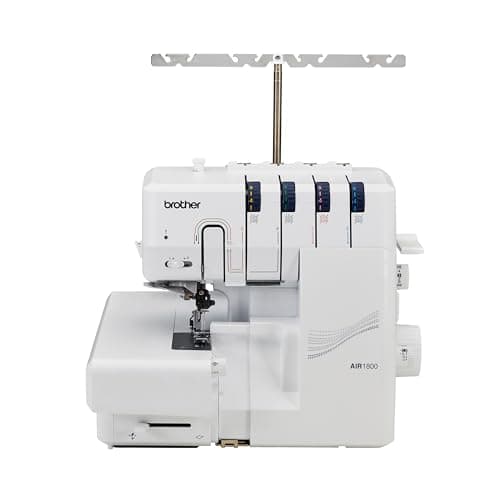
Brother AIR1800: jet air looper threading
See price on AmazonSee it on Amazon
A serger that keeps snapping threads or skipping stitches is frustrating, especially because rethreading looks complicated. This page is for home sewists with 2/3/4 thread sergers who want to find the cause quickly. It covers the common serger problems in the order to check them: threading and threading order, the path from the spool, the needle, tension, the lower looper and the fabric. It ends with the signs that the machine needs a technician.
Quick troubleshooting table
Most problems are solved by the first two rows. Work through the sections below in order.
Needle thread breaks
- Likely cause
- Missed guide, tension too tight, wrong or bent needle
- Fix
- Rethread needle, check tension, new needle
Looper thread breaks
- Likely cause
- Looper threaded out of order or missed a guide
- Fix
- Unthread needles, rethread looper then needles
Skipped stitches
- Likely cause
- Wrong needle system, bent needle, needle not fully up
- Fix
- Install correct new needle fully
Lower looper loops on top
- Likely cause
- Lower looper thread out of tension or too loose
- Fix
- Rethread lower looper, adjust tension
Threads break at start
- Likely cause
- Antenna not extended, thread catching at spool
- Fix
- Extend antenna, add cone holders or nets
Breaks on thick seams
- Likely cause
- Too many layers, dull knife
- Fix
- Trim bulk, replace knife if dull
| Symptom | Likely cause | Fix |
|---|---|---|
| Needle thread breaks | Missed guide, tension too tight, wrong or bent needle | Rethread needle, check tension, new needle |
| Looper thread breaks | Looper threaded out of order or missed a guide | Unthread needles, rethread looper then needles |
| Skipped stitches | Wrong needle system, bent needle, needle not fully up | Install correct new needle fully |
| Lower looper loops on top | Lower looper thread out of tension or too loose | Rethread lower looper, adjust tension |
| Threads break at start | Antenna not extended, thread catching at spool | Extend antenna, add cone holders or nets |
| Breaks on thick seams | Too many layers, dull knife | Trim bulk, replace knife if dull |
Rethread in the right order
On most mechanical sergers the loopers must be threaded before the needles, because the looper threads need to sit beneath the needle threads. If you rethread a looper while the needles are still threaded, the threads can cross wrongly and snap as soon as you sew. The diagram shows where each thread sits in a finished 4-thread stitch.
- 1
Raise the presser foot so the tension discs open, and turn the handwheel so the needles are at their highest point.
- 2
Pull out the needle threads.
- 3
Rethread the upper looper, then the lower looper, following the color codes and every guide.
- 4
Rethread the right needle, then the left needle, as your manual shows.
- 5
Gently floss each thread into its tension disc so it seats between the discs.
- 6
Chain off a few inches before sewing on fabric.
Note.Turn the serger off before threading the loopers. Some models, including air-threading machines, use a different order; always follow your manual.
Check the thread path from the spool
Extend the telescoping thread antenna fully and make sure each guide is directly above its spool. If the antenna is low, threads can wrap around the spool pins and snap. Use the cone holders or spool caps that came with the machine, and a thread net on slippery threads so they do not pool at the base.
Use good quality serger or all-purpose polyester thread. Old, brittle or very uneven thread breaks more often. If you are using decorative or heavy thread in the loopers, loosen that looper tension to suit.
Needle type, size and installation
Skipped stitches on a serger very often come from the needle. Use the needle system and size your manual specifies. Many home sergers take standard 130/705H needles, while some use ELx705 or other systems, and the wrong system can sit at the wrong height for the loopers to catch the loop. See serger needles vs sewing machine needles for the difference.
Push each needle all the way up until it stops and tighten the screw. On a 4-thread serger the left and right needles sit at slightly different heights by design, so a needle that is not fully inserted can cause skipping. Use ballpoint or stretch needles on knits if your manual allows, and replace any needle that has hit a pin or the presser foot.
Tension and lower looper problems
Tension set too tight on a needle or looper can snap thread, especially on fast seams. Return all dials to the default settings and test on two layers of your fabric, then adjust one dial at a time.
The lower looper is the hardest path to thread and the most common source of trouble. If lower looper loops appear on the top of the seam or the thread breaks repeatedly, the thread may have missed a guide or slipped out of the tension disc. Rethread it with tweezers, checking every guide, and make sure it ends with a tail long enough to start the chain. Our beginner serger guide has a table for reading a test seam.
Fabric, knife and when to get help
Very thick seams, multiple layers of fleece or crossed seams can stall the serger and break threads. Trim bulk, sew slowly over seams and check that the knife is cutting cleanly. A dull knife tears rather than cuts and can drag threads. Many sergers have a replaceable lower knife; check your manual. Brush out lint after each project, since packed lint around the loopers causes many faults.
If skipped stitches continue with a new, correct needle and perfect threading, the looper timing may be out, often after a needle hit a pin or the machine jammed. That needs a technician. If your serger is older or very basic, our serger guide and beginner serger guide list current models, including ones with easier looper threading.
Frequently asked questions
Why does my serger thread keep breaking? Most often a thread missed a guide or tension disc, or the machine was threaded out of order. Rethread the loopers first, then the needles, with the presser foot up.
Why is my serger skipping stitches? Usually the needle is the wrong system or size, bent, or not pushed fully into the clamp. Replace it with the needle your manual specifies.
Why are my lower looper threads showing on top? The lower looper thread is too loose or out of its tension disc. Rethread it and adjust tension one step at a time.
Can I use sewing machine thread in a serger? Good quality all-purpose polyester works, but serger cone thread is more economical for loopers. Avoid old or weak thread.