Fix
Why your sewing machine needles keep breaking
Published
Short answer
Needles usually break because the needle is too fine for the fabric, the fabric is being pulled or pushed while sewing, or the needle hits a pin. Other causes include a needle not pushed fully into the clamp, the wrong presser foot or needle plate for the stitch, a misplaced bobbin case and thick seams. Match the needle to the fabric with a size chart and let the machine feed the fabric.
Machines for this job
All 7 picks compared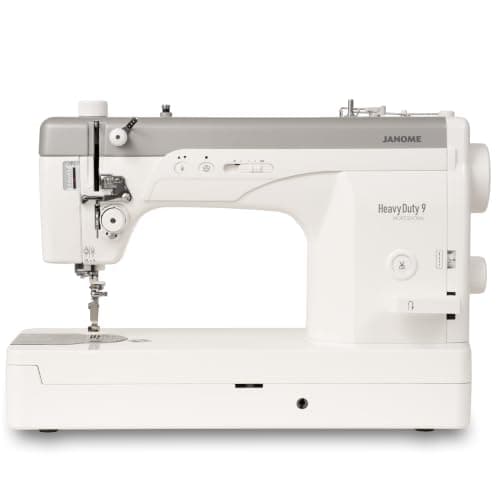
Janome HD9 V3: die-cast frame, 11 lbs foot pressure
See price on AmazonSee it on Amazon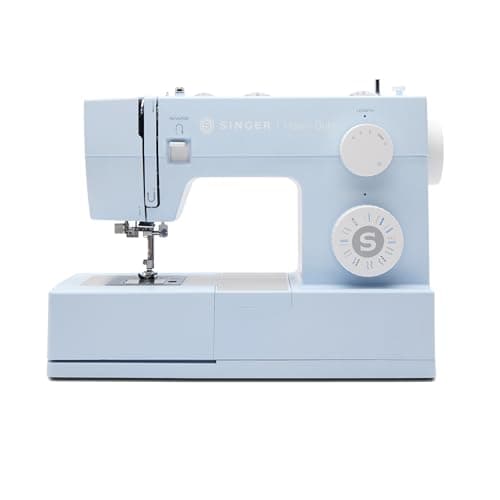
Singer 4423: metal frame, 1,100 spm, extra-high lift
See price on AmazonSee it on Amazon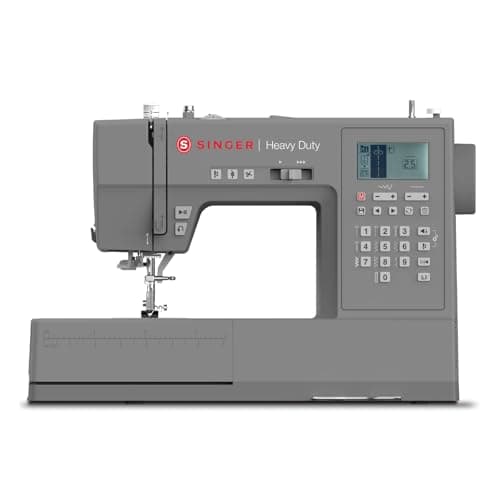
Singer 6800C: computerized heavy duty, 586 applications
See price on AmazonSee it on Amazon
A snapped needle is startling and can be dangerous, since pieces can fly. This page is for home sewists whose needles keep bending or breaking. It lists the common causes from most to least likely, explains how to tell which one applies, and shows how to choose the right needle size and type. It also covers when a broken needle points to a machine problem that needs a technician.
Common causes at a glance
Work through the causes in order. Most breaks come from the first three.
Needle too fine for the fabric
- Typical sign
- Breaks on denim, canvas, many layers
- Fix
- Use a larger, stronger needle
Pulling or pushing the fabric
- Typical sign
- Needle bends then hits the plate
- Fix
- Guide gently and let the feed dogs work
Sewing over pins
- Typical sign
- Breaks at a pin
- Fix
- Remove pins before they reach the foot
Needle not fully inserted
- Typical sign
- Breaks soon after changing it
- Fix
- Push up fully and tighten the clamp
Wrong foot or plate for the stitch
- Typical sign
- Breaks on zigzag or offset needle
- Fix
- Match foot and plate to the stitch
Bobbin case seated wrong
- Typical sign
- Breaks with a hard knock near the bobbin
- Fix
- Reseat per the manual
Bent or damaged needle
- Typical sign
- Skipped stitches before it breaks
- Fix
- Replace the needle
Thick seam humps
- Typical sign
- Breaks crossing seams
- Fix
- Slow down and level the foot
| Cause | Typical sign | Fix |
|---|---|---|
| Needle too fine for the fabric | Breaks on denim, canvas, many layers | Use a larger, stronger needle |
| Pulling or pushing the fabric | Needle bends then hits the plate | Guide gently and let the feed dogs work |
| Sewing over pins | Breaks at a pin | Remove pins before they reach the foot |
| Needle not fully inserted | Breaks soon after changing it | Push up fully and tighten the clamp |
| Wrong foot or plate for the stitch | Breaks on zigzag or offset needle | Match foot and plate to the stitch |
| Bobbin case seated wrong | Breaks with a hard knock near the bobbin | Reseat per the manual |
| Bent or damaged needle | Skipped stitches before it breaks | Replace the needle |
| Thick seam humps | Breaks crossing seams | Slow down and level the foot |
Wrong needle for the fabric
A thin needle pushed through thick or dense fabric deflects. When it flexes, it can strike the needle plate or the hook and snap. Denim, canvas, upholstery fabric and seams with four or more layers need a larger needle with a stronger blade, such as a jeans or denim needle in 90/14 to 110/18.
The needle type matters too. Leather needs a leather needle with a wedge point, knits need ballpoint or stretch needles, and dense microfibers need a Microtex or sharp needle. The diagram shows the point types. Check your fabric against the sewing machine needle size chart or use our needle and thread finder to get the type and size in seconds.
Universal
Woven cotton, linen, blends
Ballpoint
Knits and jersey
Stretch
Spandex, swimwear, power mesh
Jeans
Denim, canvas, duck
Leather
Real leather and suede
Microtex
Silk, batik, microfiber
Embroidery
Machine embroidery
Sheer, very light
- Needle size
- 60/8 to 70/10
Light
- Needle size
- 70/10 to 75/11
Medium
- Needle size
- 80/12 to 90/14
Medium-heavy
- Needle size
- 90/14 to 100/16
Heavy
- Needle size
- 100/16 to 110/18
| Fabric weight | Needle size |
|---|---|
| Sheer, very light | 60/8 to 70/10 |
| Light | 70/10 to 75/11 |
| Medium | 80/12 to 90/14 |
| Medium-heavy | 90/14 to 100/16 |
| Heavy | 100/16 to 110/18 |
Pulling the fabric and sewing over pins
The feed dogs move the fabric. If you pull it from behind or push it from the front, especially while sewing a seam with tension on it, the needle bends toward the direction you pull. On the next stroke it can hit the needle plate and break. Rest your hands lightly on the fabric to guide it, and let the machine set the pace.
Pins are the other everyday cause. A needle that strikes a pin can break and also damage the needle plate or hook. Pull pins out just before they reach the presser foot, or use clips. If a needle has hit a pin, replace it even if it looks fine, and check the plate for burrs that could snag thread.
Note.Wear eye protection if you are sewing heavy fabrics where breaks are likely, and keep your face back from the needle area.
Needle installation, foot and plate
On machines with a removable bobbin case, a case that is not seated correctly can be struck by the needle. Reseat it exactly as the manual shows and turn the handwheel slowly to check.
- 1
Turn the machine off and raise the needle to its highest position.
- 2
Loosen the clamp, remove the needle and check the new one is the right system, usually 130/705H for home machines.
- 3
Insert it with the flat side facing the back on most machines and push it up until it stops.
- 4
Tighten the clamp screw firmly. A loose needle can slip down and hit the hook.
- 5
Check that the presser foot suits the stitch. A straight-stitch foot or straight-stitch plate with a zigzag or offset needle position will break the needle.
- 6
Turn the handwheel by hand through a full stitch to confirm the needle clears the foot and plate.
Thick seams and heavy projects
When the presser foot climbs over a thick seam, it tilts, and the needle can enter at an angle. Slow down at seams, use a larger needle and level the foot with a seam leveling tool or folded fabric behind the seam. Some feet have a button that locks the foot level for this purpose.
If you regularly sew heavy fabrics, a heavier machine helps. Our heavy-duty sewing machine guide lists machines with stronger motors and frames, and how to sew leather on a home machine covers leather and vinyl.
When it is a machine problem
If needles break with the correct needle, no pulling, no pins and the right foot and plate, the machine itself may be out of adjustment. Signs include the needle striking the plate in the same place every time, grinding noises or the needle hitting the hook. These often follow a jam or a hard needle strike, and they need a qualified technician to check needle position and timing.
Also note any skipped stitches, which can be an early sign of a bent needle or timing issue. Do not keep sewing while needles keep breaking, since repeated strikes can damage the hook.
Frequently asked questions
Why do my needles keep breaking on denim? The needle is probably too fine, or you are crossing thick seams too fast. Use a jeans needle, often 90/14 to 110/18, slow down and level the foot at seams.
Can a bent needle break the machine? A bent needle can strike the plate or hook and leave burrs, which cause thread problems. Replace any needle that has hit something.
Does the bobbin cause needle breaks? A bobbin case that is not seated correctly can be hit by the needle. Reseat it and check with the handwheel.
What needle should I use for general sewing? A universal 80/12 suits most medium woven fabrics. Change size and type for knits, heavy fabrics and leather.