Fix
Why your sewing machine is skipping stitches and how to fix it
Published
Short answer
Most skipped stitches come from the needle. Put in a new needle of the right type and size for the fabric, such as ballpoint or stretch for knits, and make sure it is fully inserted with the flat side facing the right way. If that does not fix it, rethread the top and bobbin, clean lint from the hook area, and only then suspect timing, which needs a service technician.
Machines for this job
All 7 picks compared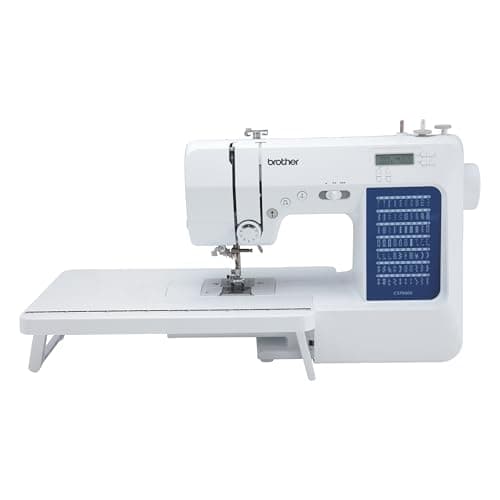
Brother CS7000X: 70 stitches, metal frame, wide table
See price on AmazonSee it on Amazon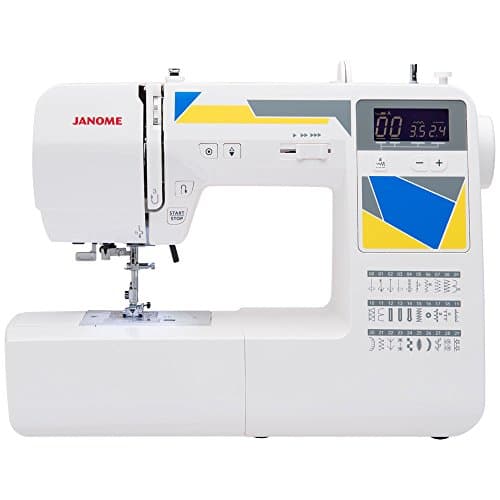
Janome MOD-30: 30 stitches with 3 one-step buttonholes
See price on AmazonSee it on Amazon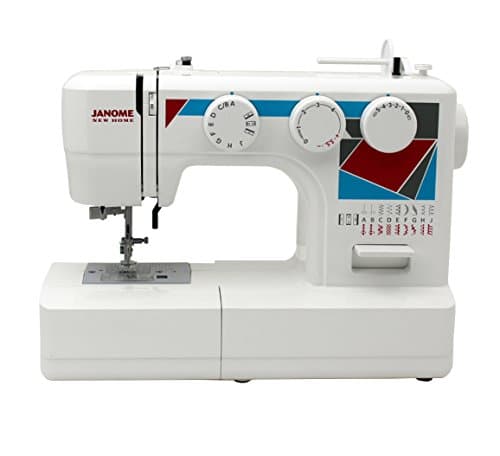
Janome MOD-19: simple mechanical with 19 stitches
See price on AmazonSee it on Amazon
A skipped stitch happens when the hook under the needle plate misses the loop of top thread, so the needle thread and bobbin thread do not lock together. You see gaps in the seam, long stitches, or seams that pull apart. The good news is that most cases are fixed in minutes with a fresh needle. This guide works through the causes in the order that solves most cases, from cheapest and most likely to least likely, and explains when to stop and book a service.
Why stitches skip
Every lockstitch depends on timing between the needle and the hook. As the needle rises from its lowest point, the top thread forms a small loop at the back of the needle, and the hook point catches it. Anything that weakens or moves that loop, or moves the needle, causes a miss.
A bent or dull needle, the wrong needle type, a needle not pushed all the way up, fabric flagging up and down with the needle, or lint in the hook area can all make the loop too small or put it in the wrong place. Less often, the hook timing itself has been knocked out, usually by a needle strike or a hard jam.
Causes in order of likelihood
Dull, bent or damaged needle
- How to tell
- Problem started suddenly, or needle has been used a long time
- Fix
- Install a new needle
Wrong needle type
- How to tell
- Knits, stretch or very fine fabric
- Fix
- Ballpoint or stretch for knits, Microtex for fine wovens
Needle not fully inserted or backward
- How to tell
- Needle sits low or flat side faces the wrong way
- Fix
- Reinsert fully, flat side as the manual shows
Wrong needle size for thread or fabric
- How to tell
- Thick thread in small needle, heavy fabric
- Fix
- Match needle size to thread and fabric
Threading error
- How to tell
- Thread skipped a guide or the take-up lever
- Fix
- Rethread with the presser foot up
Fabric flagging
- How to tell
- Thin or stretchy fabric lifts with the needle
- Fix
- Use a straight stitch plate, stabilizer or tissue under the fabric
Lint in the hook area
- How to tell
- Visible lint around the bobbin case
- Fix
- Clean the bobbin area
Low presser foot pressure
- How to tell
- Fabric not held firmly
- Fix
- Increase pressure if adjustable
Hook timing off
- How to tell
- Skipping continues with a new needle on all fabrics
- Fix
- Professional service
| Cause | How to tell | Fix |
|---|---|---|
| Dull, bent or damaged needle | Problem started suddenly, or needle has been used a long time | Install a new needle |
| Wrong needle type | Knits, stretch or very fine fabric | Ballpoint or stretch for knits, Microtex for fine wovens |
| Needle not fully inserted or backward | Needle sits low or flat side faces the wrong way | Reinsert fully, flat side as the manual shows |
| Wrong needle size for thread or fabric | Thick thread in small needle, heavy fabric | Match needle size to thread and fabric |
| Threading error | Thread skipped a guide or the take-up lever | Rethread with the presser foot up |
| Fabric flagging | Thin or stretchy fabric lifts with the needle | Use a straight stitch plate, stabilizer or tissue under the fabric |
| Lint in the hook area | Visible lint around the bobbin case | Clean the bobbin area |
| Low presser foot pressure | Fabric not held firmly | Increase pressure if adjustable |
| Hook timing off | Skipping continues with a new needle on all fabrics | Professional service |
Step-by-step fix
- 1
Turn off the machine and remove the needle.
- 2
Install a brand new needle of the right type and size, pushed all the way up with the flat side facing the direction your manual shows (on most home machines, the back).
- 3
Raise the presser foot and rethread the top thread from the spool through every guide, the tension discs and the take-up lever.
- 4
Remove the bobbin and reinsert it the right way round, then pull the thread through the tension slot.
- 5
Take off the needle plate and clean lint from the feed dogs and hook area with a brush.
- 6
Test on a scrap of the same fabric, folded double if it is thin.
- 7
If knits still skip, try a stretch needle, a slightly longer stitch and a tissue or stabilizer layer under the fabric.
- 8
If skipping continues on all fabrics with a new needle, stop and book a service. The timing may need adjustment.
Note.If the needle hit the plate or a pin just before the problem started, the timing may have been knocked out. Do not keep sewing; continued use can damage the hook.
Skipped stitches on specific fabrics
Knits and stretch fabrics skip most often because they spring back and flex with the needle. Use a ballpoint or stretch needle, a stretch stitch or narrow zigzag, and do not pull the fabric while sewing. A walking foot can help.
Denim and thick seams skip when the presser foot tilts going over a seam hump. Use a jeans needle, go slowly over the hump, and level the foot with a folded scrap behind the seam. Vinyl and faux leather skip when the foot sticks; use a Teflon or roller foot. See how to sew leather on a home machine. Fine fabrics like chiffon need a small Microtex needle and often a straight stitch plate.
- Knits: ballpoint or stretch needle 75/11 to 90/14.
- Denim: jeans needle 90/14 to 110/18.
- Silk and microfiber: Microtex 60/8 to 80/12.
- Quilting through batting: quilting needle 75/11 to 90/14.
Preventing skipped stitches
Change the needle regularly; a common rule of thumb is a new needle at the start of each project or after several hours of sewing. Use the needle and thread finder to match needle type to fabric before you start, and keep lint out of the bobbin area with routine cleaning, as described in how to clean and oil a sewing machine.
Use good quality thread; old or uneven thread can fray and form poor loops. If you also see loose loops underneath or uneven stitches, the issue may be tension rather than skipping; see sewing machine tension problems. If your machine needs frequent repairs and is older, it may be worth comparing sewing machines for beginners or heavy duty machines.
Frequently asked questions
Why does my sewing machine skip stitches on knits? Knits flex with the needle and can deflect the thread loop. Use a ballpoint or stretch needle, a stretch stitch, and support the fabric so it does not lift.
Can a new needle really fix skipped stitches? Yes. A dull, bent or wrong-type needle is the most common cause. Always try a fresh needle first.
How do I know if my timing is off? If stitches skip on every fabric with a new, correct needle and correct threading, especially after a needle strike or jam, timing is a likely cause. A service technician should check it.
Is it safe to keep sewing with skipped stitches? The seam will be weak. If the cause is a damaged needle or timing, continued sewing can damage the hook or needle plate, so fix it first.