How-to
How to sew leather on a home sewing machine
Published
Short answer
Use a leather (wedge point) needle in size 90/14 to 110/18, a stitch length of about 3 to 4 mm, bonded or heavy polyester thread, and a Teflon, roller or walking foot so the leather slides. Hold pieces with clips or tape instead of pins and sew slowly. Most home machines handle thin garment leather and a few layers; thick tooling leather needs an industrial machine.
Machines for this job
All 7 picks compared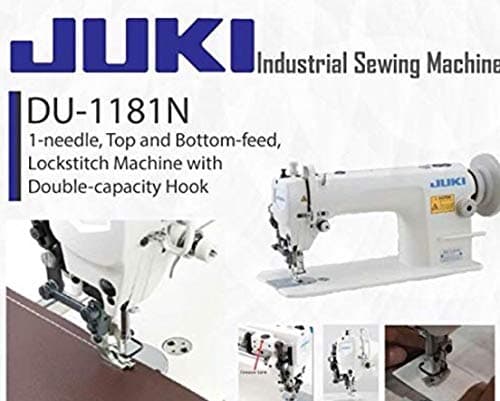
Juki DU-1181, walking foot with 9mm stitch and servo
See price on AmazonSee it on Amazon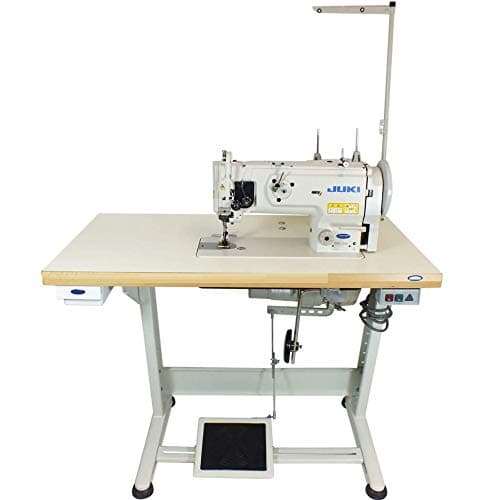
Juki DNU-1541S, unison feed with table and servo motor
See price on AmazonSee it on Amazon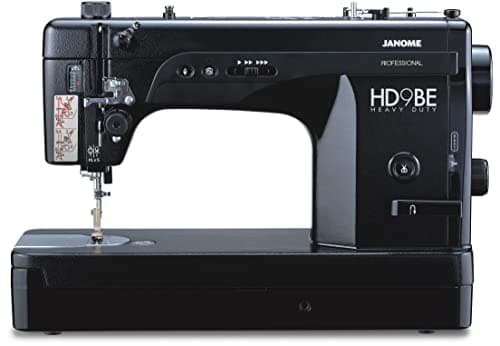
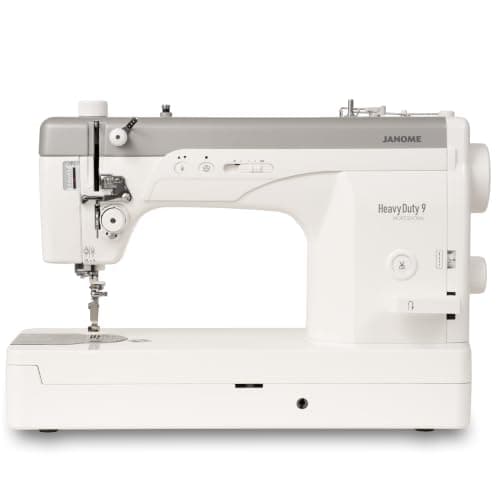
Janome HD9 Black Edition, 1,600 SPM home heavy duty
See price on AmazonSee it on Amazon
Leather looks intimidating, but a home sewing machine can handle a lot of it with the right setup. The keys are a needle that cuts rather than pierces, a foot that does not stick, a longer stitch, and realistic expectations about thickness. This guide covers setup, technique, which leathers work on a home machine, and when you need something stronger. It also covers faux leather and vinyl, which need a slightly different approach. Every machine has its own limits, so check your manual for the maximum needle size and fabric thickness it supports.
What a home machine can and cannot sew
Home machines are built for fabric, and leather is denser and grippier. Thin, soft leathers such as garment lambskin, thin cowhide and suede are usually manageable, including a couple of layers. Heavy duty home machines with stronger motors and metal frames handle more, such as bag seams with a few layers of medium leather.
Thick vegetable-tanned leather for belts, holsters and saddlery is a different job. It needs a walking foot industrial machine, often with a compound or needle feed, a slow servo motor and heavy thread. Forcing a home machine through thick leather can break needles, throw off timing or strain the motor.
Garment lambskin, thin cowhide
- Home machine
- Usually fine
- Notes
- Leather needle 90/14, Teflon or walking foot
Suede
- Home machine
- Usually fine
- Notes
- Walking foot helps; avoid pressing hard
Bags with 2 to 4 layers of medium leather
- Home machine
- Heavy duty home machine
- Notes
- Go slowly; test thickness first
Thick tooling leather, belts, holsters
- Home machine
- Not recommended
- Notes
- Industrial walking foot machine
Faux leather, vinyl
- Home machine
- Usually fine
- Notes
- Microtex or leather needle 80/12 to 90/14, Teflon or roller foot
| Leather or project | Home machine | Notes |
|---|---|---|
| Garment lambskin, thin cowhide | Usually fine | Leather needle 90/14, Teflon or walking foot |
| Suede | Usually fine | Walking foot helps; avoid pressing hard |
| Bags with 2 to 4 layers of medium leather | Heavy duty home machine | Go slowly; test thickness first |
| Thick tooling leather, belts, holsters | Not recommended | Industrial walking foot machine |
| Faux leather, vinyl | Usually fine | Microtex or leather needle 80/12 to 90/14, Teflon or roller foot |
Needle, thread and stitch settings
A leather needle has a wedge-shaped point that cuts a small slit instead of pushing fibers apart. Use 90/14 for thin leather and 100/16 to 110/18 for heavier pieces, within your machine's limits. For faux leather and vinyl, a Microtex or leather needle in 80/12 to 90/14 works; a leather needle is not needed for fabrics without real hide. The needle and thread finder gives the pairings.
Use strong thread: bonded nylon or polyester for heavier work, or a heavy all-purpose polyester for garment leather. Avoid cotton thread, which can weaken. Set the stitch length to about 3 to 4 mm. Short stitches perforate leather like a tear line and weaken the seam.
Universal
Woven cotton, linen, blends
Ballpoint
Knits and jersey
Stretch
Spandex, swimwear, power mesh
Jeans
Denim, canvas, duck
Leather
Real leather and suede
Microtex
Silk, batik, microfiber
Embroidery
Machine embroidery
Needle
- Starting point
- Leather 90/14 to 110/18 (Microtex 80/12 to 90/14 for vinyl)
Thread
- Starting point
- Bonded nylon or polyester, or heavy polyester
Stitch length
- Starting point
- About 3 to 4 mm
Speed
- Starting point
- Slow; use the hand wheel over thick spots
Presser foot
- Starting point
- Teflon, roller or walking foot
| Setting | Starting point |
|---|---|
| Needle | Leather 90/14 to 110/18 (Microtex 80/12 to 90/14 for vinyl) |
| Thread | Bonded nylon or polyester, or heavy polyester |
| Stitch length | About 3 to 4 mm |
| Speed | Slow; use the hand wheel over thick spots |
| Presser foot | Teflon, roller or walking foot |
Choosing the right presser foot
Leather and vinyl tend to stick to a standard metal foot, which causes uneven stitches and stalls. A Teflon (non-stick) foot glides over the surface. A roller foot has a textured wheel that rolls over the leather. A walking foot feeds the top layer and is good for multiple layers and suede.
If you do not have a special foot, a strip of matte tape on the underside of a regular foot can reduce sticking in a pinch, as long as it does not cover the needle opening. Check your shank type in our presser feet chart before buying a foot.
Step by step: sewing a leather seam
- 1
Test on scraps of the same leather and the same number of layers first.
- 2
Install a new leather needle and thread the machine with the presser foot raised.
- 3
Hold pieces together with sewing clips, binder clips or double-sided tape. Pins leave permanent holes.
- 4
Lengthen the stitch to about 3 to 4 mm and set a slow speed.
- 5
Start a short way in from the edge and turn the hand wheel for the first stitches over thick spots.
- 6
Sew slowly and steadily without pulling or pushing the leather.
- 7
Avoid heavy backstitching. Leave long thread tails and tie them off on the back instead.
- 8
Finger press or use a mallet and roller to flatten seams; glue seam allowances if needed.
Note.Every needle hole in leather is permanent. You cannot unpick a seam without leaving holes, so test and plan before you sew.
Troubleshooting leather sewing
For skipped stitches in general, see why your sewing machine is skipping stitches. If needles keep snapping, see sewing machine needle keeps breaking.
Skipped stitches
- Likely cause
- Wrong or dull needle, leather sticking
- Fix
- New leather needle, Teflon or roller foot
Machine stalls
- Likely cause
- Too thick, too fast
- Fix
- Reduce layers, use hand wheel, check machine limits
Needle breaks
- Likely cause
- Needle too small or leather pulled
- Fix
- Larger needle, let the machine feed
Uneven stitch length
- Likely cause
- Foot sticking
- Fix
- Non-stick or walking foot
Seam tears out
- Likely cause
- Stitch too short
- Fix
- Lengthen to 3 to 4 mm
| Problem | Likely cause | Fix |
|---|---|---|
| Skipped stitches | Wrong or dull needle, leather sticking | New leather needle, Teflon or roller foot |
| Machine stalls | Too thick, too fast | Reduce layers, use hand wheel, check machine limits |
| Needle breaks | Needle too small or leather pulled | Larger needle, let the machine feed |
| Uneven stitch length | Foot sticking | Non-stick or walking foot |
| Seam tears out | Stitch too short | Lengthen to 3 to 4 mm |
When to upgrade your machine
If you regularly sew bags, upholstery or several layers of leather, a heavy duty home machine with a stronger motor and metal frame is a good next step; see our best heavy duty sewing machines. For thick leather work, an industrial walking foot machine is the right tool. These need a table, a servo motor and space; our best industrial sewing machines for a home studio covers what to consider.
Frequently asked questions
Can a regular sewing machine sew leather? Yes, for thin and medium leathers in a few layers, with a leather needle, longer stitch and non-stick or walking foot. Thick leather needs a heavier machine.
What needle do I use for leather? A leather needle with a wedge point, size 90/14 for thin leather and 100/16 to 110/18 for heavier pieces, within your machine's limits.
Can I use pins on leather? Avoid them. Pins leave permanent holes. Use clips, tape or a light glue to hold pieces.
Do I need a leather needle for faux leather? Not usually. A Microtex or sharp needle in 80/12 to 90/14 works well on vinyl and faux leather.