Explainer
Sewing machine presser feet chart: shank types and which feet to add
Published
Short answer
Most home sewing machines take low shank feet, many with a snap-on adapter. Some take high shank or slant shank feet, so check your manual or measure from the bottom of the foot to the center of the screw. Beyond the feet that come in the box, a walking foot, a 1/4 inch quilting foot, a zipper foot and a free-motion foot are the most useful additions for most sewists.
Machines for this job
All 7 picks compared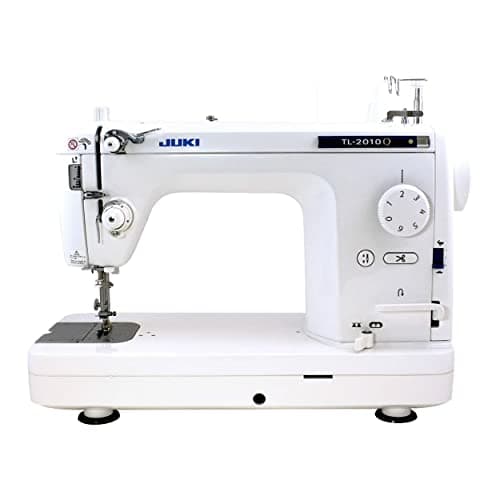
Juki TL-2010Q straight stitch with knee lifter
See price on AmazonSee it on Amazon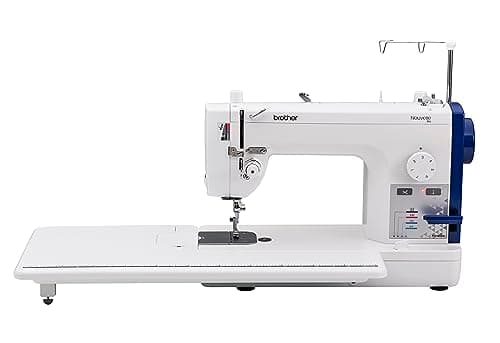
Brother PQ1600S at 1,500 spm with 8.7 inch arm space
See price on AmazonSee it on Amazon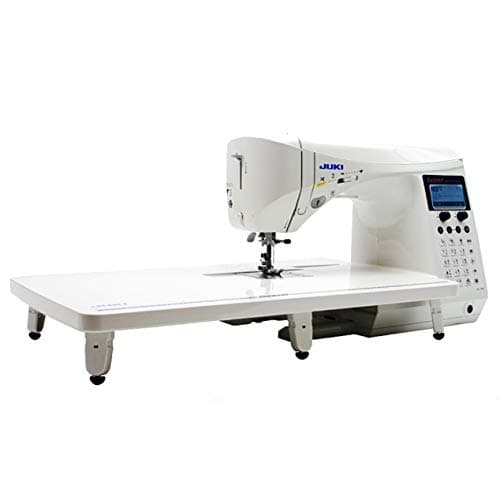
Juki HZL-F600 with 255 stitches
See price on AmazonSee it on Amazon
Presser feet are the cheapest way to make a sewing machine do more, but buying the wrong one is easy. Feet are built for a specific shank type, and some machines use proprietary attachments. This chart explains shank types, the difference between snap-on and screw-on feet, and what each common foot does. It is aimed at US home sewists with Brother, Janome, Singer, Juki and similar machines. Fit varies by brand and model, so confirm compatibility with your manual or the foot maker before you buy.
Low, high and slant shank explained
The shank is the part of the machine that the presser foot or its adapter attaches to. The three common types differ in height and angle, and a foot made for one type will not sit correctly on another.
To check yours, lower the presser foot and measure from the bottom of the foot to the center of the screw that holds the shank. A measurement of about 1/2 inch generally means low shank, and about 1 inch generally means high shank. A slant shank is angled rather than vertical and is found mostly on certain older Singer models.
Low shank
- Approx. measurement
- About 1/2 inch
- Where you find it
- Most current home machines from Brother, Janome, Singer and others
High shank
- Approx. measurement
- About 1 inch
- Where you find it
- Many larger and semi-industrial machines and some older models
Slant shank
- Approx. measurement
- Angled shank
- Where you find it
- Certain older Singer models
Proprietary
- Approx. measurement
- Varies
- Where you find it
- Some premium brands use their own foot systems
| Shank type | Approx. measurement | Where you find it |
|---|---|---|
| Low shank | About 1/2 inch | Most current home machines from Brother, Janome, Singer and others |
| High shank | About 1 inch | Many larger and semi-industrial machines and some older models |
| Slant shank | Angled shank | Certain older Singer models |
| Proprietary | Varies | Some premium brands use their own foot systems |
Note.These are general rules. Some machines in the same brand use different shanks. Your manual is the reliable source.
Snap-on versus screw-on feet
Many low shank machines use a snap-on system: a shank adapter stays screwed to the presser bar and individual feet clip onto it with a pin. Changing feet takes seconds. Screw-on feet attach directly to the presser bar with the thumbscrew and include their own shank. Walking feet, free-motion feet and some specialty feet are usually screw-on because they need to connect to the needle bar or have their own spring.
Generic snap-on feet sold for low shank machines fit many brands, but the pin spacing and foot width can vary. Machines with a stitch width of 7 mm or 9 mm need feet with a matching opening, or the needle can strike the foot on wide stitches. Always do a slow hand-wheel test with a new foot before sewing at speed.
Common presser feet and what they do
These are the feet most sewists use regularly. Many come with a typical machine, and the rest are inexpensive additions.
All-purpose (zigzag)
- What it does
- Standard foot with a wide opening
- Use it for
- Straight and zigzag seams
Zipper foot
- What it does
- Narrow foot that rides beside the teeth
- Use it for
- Zippers, piping, cording
Buttonhole foot
- What it does
- Measures the button and guides the buttonhole
- Use it for
- One-step or four-step buttonholes
Blind hem foot
- What it does
- Guide for folded hems
- Use it for
- Nearly invisible hems on pants and skirts
Overcasting foot
- What it does
- Holds the fabric edge for edge-finishing stitches
- Use it for
- Finishing seams without a serger
Satin stitch (open toe)
- What it does
- Grooved underside, clear view
- Use it for
- Applique and decorative stitches
1/4 inch quilting foot
- What it does
- Edge guide at 1/4 inch from the needle
- Use it for
- Accurate quilt piecing
Walking foot
- What it does
- Feeds the top layer with the feed dogs
- Use it for
- Quilting, plaids, knits, multiple layers
Free-motion (darning) foot
- What it does
- Hops so you can move fabric freely
- Use it for
- Free-motion quilting and thread painting
Teflon or roller foot
- What it does
- Slides over sticky surfaces
- Use it for
- Vinyl, faux leather, laminated cotton
Rolled hem foot
- What it does
- Rolls the edge as it sews
- Use it for
- Narrow hems on light fabrics
Invisible zipper foot
- What it does
- Uncurls coil teeth
- Use it for
- Invisible zippers
| Foot | What it does | Use it for |
|---|---|---|
| All-purpose (zigzag) | Standard foot with a wide opening | Straight and zigzag seams |
| Zipper foot | Narrow foot that rides beside the teeth | Zippers, piping, cording |
| Buttonhole foot | Measures the button and guides the buttonhole | One-step or four-step buttonholes |
| Blind hem foot | Guide for folded hems | Nearly invisible hems on pants and skirts |
| Overcasting foot | Holds the fabric edge for edge-finishing stitches | Finishing seams without a serger |
| Satin stitch (open toe) | Grooved underside, clear view | Applique and decorative stitches |
| 1/4 inch quilting foot | Edge guide at 1/4 inch from the needle | Accurate quilt piecing |
| Walking foot | Feeds the top layer with the feed dogs | Quilting, plaids, knits, multiple layers |
| Free-motion (darning) foot | Hops so you can move fabric freely | Free-motion quilting and thread painting |
| Teflon or roller foot | Slides over sticky surfaces | Vinyl, faux leather, laminated cotton |
| Rolled hem foot | Rolls the edge as it sews | Narrow hems on light fabrics |
| Invisible zipper foot | Uncurls coil teeth | Invisible zippers |
Which extra feet are worth buying
For most people, four feet give the biggest return. A walking foot fixes uneven layers on quilts and stops knits and plaids from shifting. A 1/4 inch foot makes piecing accurate. A free-motion foot opens up stippling and thread painting. A Teflon or roller foot lets a home machine handle vinyl and faux leather.
Match the foot to the projects you actually sew. Garment sewists get more from an invisible zipper foot and a rolled hem foot. Quilters get more from the walking foot and 1/4 inch foot. See our guides on using a walking foot for quilting and sewing leather on a home machine for how to use two of these in practice.
- Quilters: walking foot, 1/4 inch foot, free-motion foot.
- Garment sewists: invisible zipper foot, rolled hem foot, blind hem foot.
- Bag and home decor: Teflon or roller foot, cording foot, zipper foot.
- Everyone: a spare all-purpose foot and a clear view foot.
Brand-specific feet and compatibility tips
Brand feet are designed for that maker's machines and are the safest fit. Generic feet can save money, but quality and fit vary. Janome machines use different foot categories depending on the model, such as low shank, high shank or specific feet for 9 mm machines, so check Janome's chart for your model before buying. Brother, Singer and Juki also publish compatibility lists for their machines.
When a foot does not fit, signs include the needle hitting the foot, the foot sitting crooked, or the foot not lowering fully onto the feed dogs. Stop and switch feet if you see any of these. If you are choosing a new machine and want plenty of accessory options, our best computerized sewing machines guide lists models with wide accessory support.
Frequently asked questions
How do I know if my machine is low shank? Lower the presser foot and measure from the bottom of the foot to the center of the shank screw. About 1/2 inch generally means low shank. Your manual will usually state it directly.
Do snap-on feet fit every brand? Many generic snap-on feet fit a range of low shank machines, but not all. Check the foot opening against your machine's maximum stitch width and test slowly with the hand wheel.
Is a walking foot the same as a dual feed system? They do the same job. A walking foot is an attachment, while some machines have a built-in dual feed that moves the top layer without an extra foot.
What foot do I need for quilting? A 1/4 inch foot for piecing, a walking foot for straight-line quilting, and a free-motion foot for stippling and curves cover most quilting.
What you need for this
- See price on AmazonAmazon
Juki TL-2010Q: lockstitch with knee lifter and auto trimmer
From Best sewing machines for quilting, from piecing to queen quilts
 See price on AmazonAmazon
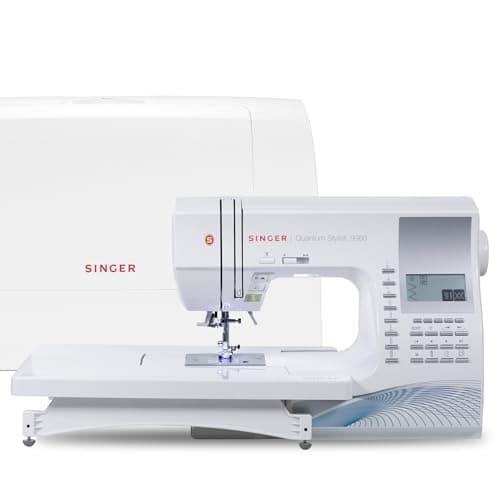
SINGER Quantum Stylist 9960, 600 stitches and 13 feet
 See price on AmazonAmazon
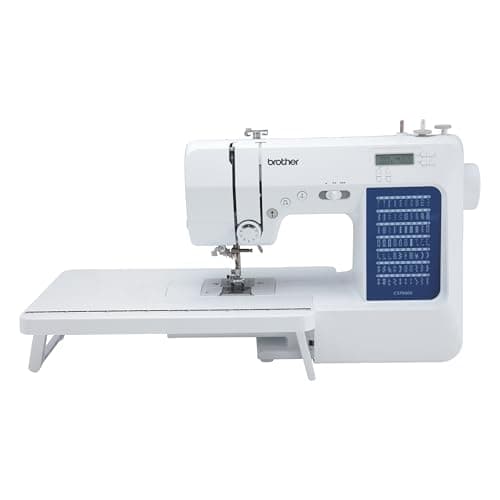
Brother CS7000X: 70 stitches, metal frame, wide table