Explainer
Machine embroidery thread weights and types
Published
Short answer
Most machine embroidery designs are digitized for 40 wt thread, in either rayon or polyester, with a fine 60 wt or 90 wt bobbin thread underneath. Use 60 wt top thread for very small lettering and fine detail, and 30 wt for bolder coverage. Polyester is stronger and more colorfast; rayon has a softer sheen but is weaker and less bleach resistant.
Machines for this job
All 8 picks compared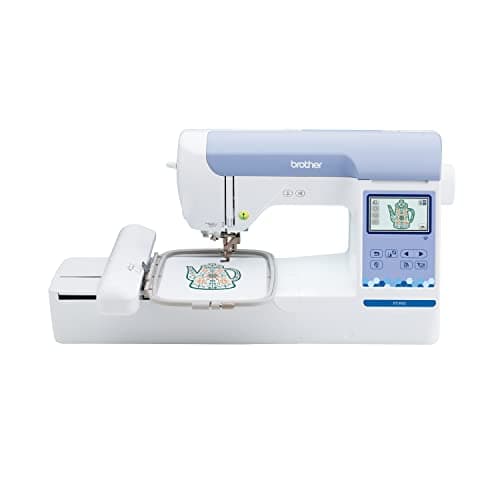
Brother PE900: 5x7 field, wireless, 193 designs
See price on AmazonSee it on Amazon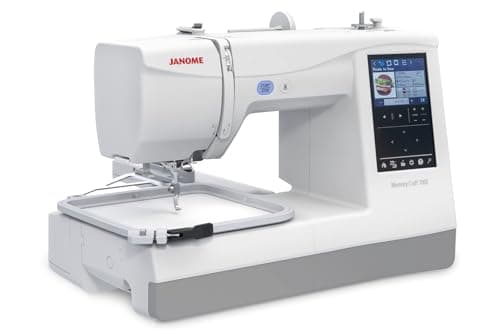
Janome Memory Craft 100e: 5.5x5.5, 274 designs
See price on AmazonSee it on Amazon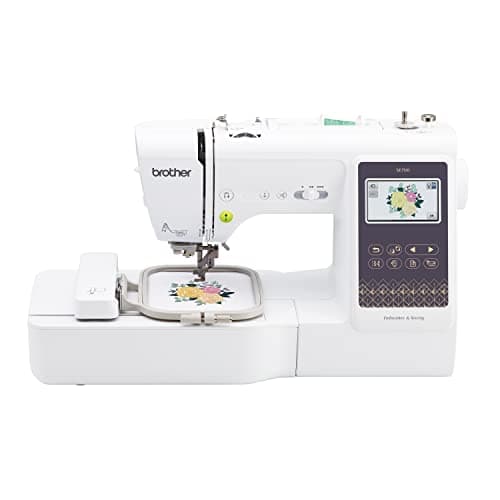
Brother SE700: 4x4 embroidery plus 103 sewing stitches
See price on AmazonSee it on Amazon
This page explains embroidery thread for home embroiderers who are confused by weights, fiber types and bobbin thread. It covers what the weight number actually means, why 40 wt is the default, when to use 30 wt or 60 wt, how rayon and polyester compare, what bobbin thread to buy, and where specialty threads like metallic and cotton fit. Each section ends with the needle that pairs with that thread, so you can set up the machine and stitch without guessing.
What thread weight means
Embroidery thread weight is a length-to-mass measure, not a measure of how heavy the thread feels. The common weight system describes how many kilometers of thread weigh one kilogram, so a higher number means a finer thread. A 60 wt thread is thinner than a 40 wt, and a 30 wt is thicker than a 40 wt.
Different makers sometimes use other systems, such as denier or tex, and the same nominal weight can vary a little between brands. Treat the weight as a guide and stitch a test on scrap fabric when you switch brands, especially on dense designs.
30 wt
- Relative thickness
- Thicker
- Typical use
- Bold fills, faster coverage, rustic look
- Needle
- 90/14
40 wt
- Relative thickness
- Standard
- Typical use
- Most designs are digitized for it
- Needle
- 75/11
60 wt
- Relative thickness
- Fine
- Typical use
- Small lettering, fine detail
- Needle
- 65/9 to 75/11
60 wt or 90 wt bobbin
- Relative thickness
- Very fine
- Typical use
- Bobbin thread under embroidery
- Needle
- Not applicable
| Weight | Relative thickness | Typical use | Needle |
|---|---|---|---|
| 30 wt | Thicker | Bold fills, faster coverage, rustic look | 90/14 |
| 40 wt | Standard | Most designs are digitized for it | 75/11 |
| 60 wt | Fine | Small lettering, fine detail | 65/9 to 75/11 |
| 60 wt or 90 wt bobbin | Very fine | Bobbin thread under embroidery | Not applicable |
Why 40 wt is the standard
Commercial and built-in embroidery designs are usually digitized with 40 wt thread in mind. The stitch density, the spacing between rows in fills and the width of satin columns all assume that thread thickness. Stitching a design in 40 wt gives the coverage the digitizer intended, with no fabric showing through and no excess bulk.
If you switch to 30 wt on the same design, the stitches pile up and the design can become stiff, heavy and prone to thread breaks. If you switch to 60 wt, the fabric may show through fills. When you want to use a different weight, choose designs made for it or adjust the density in your embroidery software.
Rayon versus polyester embroidery thread
Rayon is made from regenerated cellulose. It has a soft, high sheen and runs smoothly, which is why it has long been a favorite for decorative work. It is weaker than polyester, it can lose color with chlorine bleach, and it may break more often at high speed.
Polyester embroidery thread is a trilobal filament with a sheen close to rayon. It is stronger, holds up to bleach and frequent washing, and is the common choice for children's clothing, towels, uniforms and anything that will be washed hard. Most home embroiderers find polyester the easier default.
Both run on any home embroidery machine with a 75/11 embroidery needle. If you are getting fraying or snapping, the fiber is rarely the only cause; see why embroidery thread shreds and breaks.
Sheen
- Rayon
- High, soft
- Polyester
- High, slightly brighter
Strength
- Rayon
- Lower
- Polyester
- Higher
Bleach resistance
- Rayon
- Poor
- Polyester
- Good
Best for
- Rayon
- Decorative items, gifts
- Polyester
- Clothing, towels, items washed often
| Property | Rayon | Polyester |
|---|---|---|
| Sheen | High, soft | High, slightly brighter |
| Strength | Lower | Higher |
| Bleach resistance | Poor | Good |
| Best for | Decorative items, gifts | Clothing, towels, items washed often |
Bobbin thread for machine embroidery
Embroidery uses a separate, much finer bobbin thread, commonly sold as 60 wt or 90 wt, usually in white or black. Because it is thin, more of it fits on a bobbin and it adds little bulk to the back of the design. The top thread tension is set so a small amount of the top color pulls to the underside, and the fine bobbin thread stays hidden under the design.
You can buy bobbin thread on cones and wind your own, or buy prewound bobbins. Make sure prewound bobbins are the right class and size for your machine, since bobbins that look similar may not fit. The bobbin size chart lists the common types.
Do not use regular 50 wt sewing thread in the bobbin for embroidery. It is thicker, fills the bobbin faster, adds bulk and can upset the tension balance so bobbin thread shows on top. If you do see white bobbin thread on the front, check the settings described in embroidery machine tension settings.
Note.Some machines have a separate bobbin case or tension setting for embroidery. Follow your manual if it specifies one.
60 wt thread for small lettering
Lettering under about a quarter inch tall is hard to stitch cleanly in 40 wt, because the thread is wide relative to the letters and small counters such as the inside of an e or a close up. A 60 wt top thread gives sharper edges on small text and fine line work.
Pair 60 wt with a smaller needle, often a 65/9 or 70/10, or keep a 75/11 on slightly heavier fabric. Use designs digitized for fine thread, or reduce the density in software, and slow the machine down if you see breaks.
Specialty threads: metallic, cotton and wool blends
Metallic thread adds shine but is less forgiving. Use a metallic or topstitch needle in 80/12 or 90/14, put the spool on a separate thread stand if it twists, lower the speed and loosen the top tension slightly. Choose simpler designs without very short, dense stitches.
Cotton embroidery thread has a matte finish suited to quilts and vintage looks. It produces more lint than polyester, so clean the bobbin area more often. Wool blend and 12 wt threads give a hand-stitched look and need a large needle and designs made for heavy thread.
If you are still setting up, the machine embroidery needle guide explains which needle to pair with each thread, and our needle and thread finder gives a quick answer for any fabric.
- Metallic: metallic or topstitch needle, slower speed, thread stand.
- Cotton: 75/11 or 90/14, clean lint often.
- 30 wt or 12 wt: 90/14 or larger, designs digitized for heavy thread.
Frequently asked questions
What weight thread does a Brother embroidery machine use? Brother home embroidery machines are set up for 40 wt embroidery thread on top and a fine embroidery bobbin thread underneath. The built-in designs assume 40 wt, so start there.
Is a higher thread weight thicker? No. In the common weight system a higher number means a finer thread. A 60 wt is thinner than a 40 wt, and a 30 wt is thicker.
Can I use regular sewing thread for machine embroidery? You can for a test, but all-purpose sewing thread has less sheen and is usually thicker than 40 wt embroidery thread, so fills look dull and can become dense. Use proper embroidery thread for finished work.
Do I need to match the bobbin thread color? Usually no. White or black bobbin thread is standard. Match the bobbin to the top only when both sides will show, such as on towels or free-standing lace.
What you need for this
- See price on AmazonAmazon
Brother PE900: 5x7 field, wireless, 193 designs
 See price on AmazonAmazon
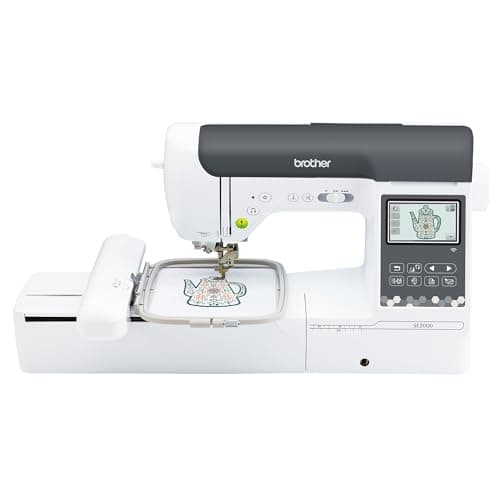
Brother SE2000, 5 x 7 in field with Wi-Fi
From Best Brother embroidery machines: PE, SE, Innov-is and PR compared