Fix
Embroidery thread shredding, breaking or snapping needles
Published
Short answer
Start with the needle: put in a new embroidery needle, 75/11 for 40 wt thread or 90/14 for metallic and heavier thread. Next check the thread path: rethread with the presser foot up, use the right spool cap, and look for snags or old thread. Then look at the design, since very dense or shrunken designs shred thread and break needles. Finally, slow the machine down, especially for metallic thread.
Machines for this job
All 8 picks compared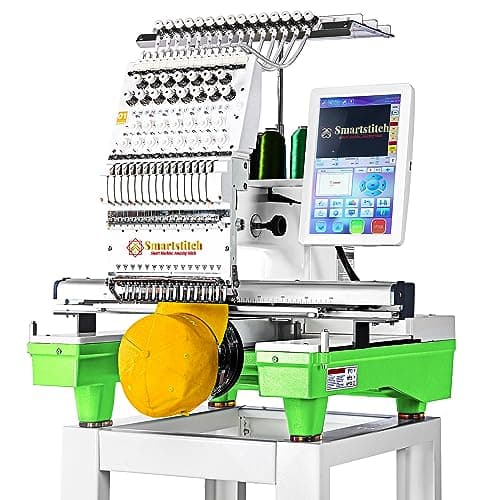
Smartstitch S-1501: 15 needles, 14x20 inch area
See price on AmazonSee it on Amazon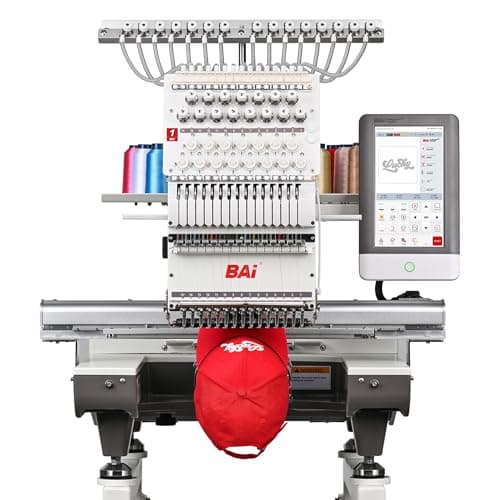
BAI Mirror: 15 needles, 20x14 inch, local support
See price on AmazonSee it on Amazon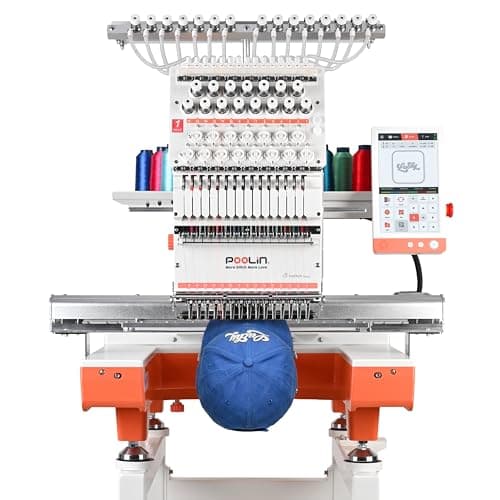
Poolin EOX: 15 needles, 20x14 inch, 850 spm on caps
See price on AmazonSee it on Amazon
This page is for machine embroiderers whose top thread keeps fraying into fuzz, snapping partway through a design, or whose needles keep breaking. These problems usually have simple causes, and checking them in a fixed order saves a lot of rethreading. The order here is needle, thread and thread path, design density, and speed, followed by the less common causes inside the machine. The steps apply to Brother, Janome, Singer and other single-needle home machines, and most of them apply to multi-needle machines too.
Causes in the order to check them
Worn, bent or wrong needle
- What you see
- Fraying near the eye, skipped stitches
- Fix
- New embroidery needle, correct size
Needle too small for the thread
- What you see
- Fuzz builds at the eye, thread snaps
- Fix
- Go up to 90/14 or use a Metallic or Topstitch needle
Adhesive on the needle
- What you see
- Gummy residue, shredding on spray-basted projects
- Fix
- Clean or change needle, use less spray
Threading error or snag
- What you see
- Breaks at the same spot each time
- Fix
- Rethread with foot up, check spool cap and guides
Old or poor quality thread
- What you see
- Breaks in many places, lint
- Fix
- Fresh thread from a known embroidery brand
Design too dense or shrunk
- What you see
- Breaks in fills, needle breaks
- Fix
- Use the original size or a redigitized file
Speed too high
- What you see
- Breaks on dense areas and metallics
- Fix
- Slow the machine
Burr on needle plate, hook or foot
- What you see
- Shredding persists after all fixes
- Fix
- Inspect and have a technician polish or replace
| Cause | What you see | Fix |
|---|---|---|
| Worn, bent or wrong needle | Fraying near the eye, skipped stitches | New embroidery needle, correct size |
| Needle too small for the thread | Fuzz builds at the eye, thread snaps | Go up to 90/14 or use a Metallic or Topstitch needle |
| Adhesive on the needle | Gummy residue, shredding on spray-basted projects | Clean or change needle, use less spray |
| Threading error or snag | Breaks at the same spot each time | Rethread with foot up, check spool cap and guides |
| Old or poor quality thread | Breaks in many places, lint | Fresh thread from a known embroidery brand |
| Design too dense or shrunk | Breaks in fills, needle breaks | Use the original size or a redigitized file |
| Speed too high | Breaks on dense areas and metallics | Slow the machine |
| Burr on needle plate, hook or foot | Shredding persists after all fixes | Inspect and have a technician polish or replace |
Step 1: needle size and type
Embroidery thread is smooth and fine, and the needle runs at high speed through dense stitching. Embroidery needles have a larger eye and a special scarf that reduces friction on the thread. A 75/11 embroidery needle is the usual choice for 40 wt rayon or polyester. Use 90/14 for thicker thread or heavy fabrics, and a Metallic or Topstitch needle for metallic thread.
Needles wear quickly in embroidery because each design can contain many thousands of stitches. A small burr in the eye is enough to strip thread. Put in a new needle at the first sign of fraying, and change it after any thread nest or hoop strike.
If you use spray adhesive or sticky stabilizer, residue builds up on the needle and drags the thread. Use adhesive sparingly, spray away from the machine, and change or clean the needle when you see residue. Needle choice is covered in depth in the machine embroidery needle guide.
Step 2: thread and thread path
Upper tension that is too tight also strains the thread. Embroidery usually runs with a lighter top tension than regular sewing, so that a little top thread shows on the back. See embroidery machine tension settings and machine embroidery thread weights.
- 1
Raise the presser foot, raise the needle and rethread from the spool through every guide and the take-up lever.
- 2
Check the spool. Stacked thread, wound straight across, usually feeds best from a vertical pin. Cross-wound thread, wound in an X pattern, usually feeds best from the end of a horizontal pin. Follow your machine's guidance.
- 3
Use a spool cap that matches the spool size, and make sure the thread is not catching in the notch at the end of the spool.
- 4
Use a thread net on slippery spools that slide down and pool.
- 5
Look for thread caught around the spool pin, a guide or the thread cutter.
- 6
Try a fresh spool. Old thread dries out and weakens, especially rayon kept in sun or heat.
Step 3: design density and size
A design with too many stitches in a small area forces the needle to pierce the same spots over and over. That cuts the thread already stitched, heats and frays the top thread, and can deflect and break the needle. Dense designs on thin stabilizer also pull and pucker.
Shrinking a design is the most common cause. When a stitch file is reduced without recalculating, the stitch count stays the same and the stitches pack closer. Keep size changes small, about 10 to 20 percent, or resize in software that recalculates density. See Brother embroidery machine file format for more on resizing and converting.
If breaks always happen at the same place in one design but not in others, the design is the likely cause. Stitch it on scrap at its original size to confirm.
Step 4: speed
Most embroidery machines let you lower the maximum speed. Slower stitching reduces heat and friction at the needle and gives the thread time to feed smoothly. It helps most with metallic thread, dense fills, small lettering, caps and thick items like towels.
Lower the speed one step and run the same section again. If the breaks stop, you can try raising it later for simpler designs.
Why needles break during embroidery
Use the trial or trace function to check that the design clears the hoop before you start. Never hold or tug the fabric while the carriage is moving. After a needle break, look for the broken tip under the needle plate and in the bobbin area before you sew again, and check the needle plate for new burrs. Related problems are covered in embroidery machine bird nesting and Brother embroidery machine problems.
- The needle hits the hoop because the design is too close to the edge or the wrong hoop is selected
- The embroidery foot is set too low or is the wrong foot for embroidery
- The needle is not fully inserted or the clamp screw is loose
- Very dense stitching or stacked layers deflect the needle
- Thick items, seams or zippers are in the stitch area
- Fabric is pulled or pushed while the machine is stitching
Note.Turn the machine off before you remove the needle plate to look for a broken needle tip. Wear eye protection if needles are breaking repeatedly, since fragments can fly.
When the machine itself is the cause
If thread still shreds after a new needle, fresh thread, careful rethreading, a known good design and lower speed, inspect the thread path for damage. A needle strike can leave a burr on the needle plate hole, the hook or the presser foot that cuts the thread on every stitch. Run a fingernail gently around the needle plate hole. A rough spot means it needs polishing or replacing.
Repeated needle strikes can also knock the hook timing out, which causes skipped stitches and breaks. That needs a technician. If you run large volumes, a machine built for longer runs may be the better answer; see the best embroidery machines for small business and the best Brother embroidery machines.
Frequently asked questions
Why is my embroidery machine shredding thread? The most common causes are a worn or too-small needle, a threading or spool problem, and a design that is too dense. Check them in that order.
Why does machine embroidery thread fray at the needle? The needle eye is too small or has a burr, or adhesive has built up on it. Use a new embroidery needle in the right size.
Why is my embroidery machine breaking needles? Usually the needle hits the hoop or foot, the design is too dense, or the needle is not fully inserted. Check the design position and needle before restarting.
What needle should I use for metallic embroidery thread? Use a Metallic or Topstitch needle, often 80/12 or 90/14, and slow the machine down.
What you need for this
- See price on AmazonAmazon
Smartstitch S-1501: 15 needles, 14x20 inch area
From Best multi-needle embroidery machines for a small business
 See price on AmazonAmazon
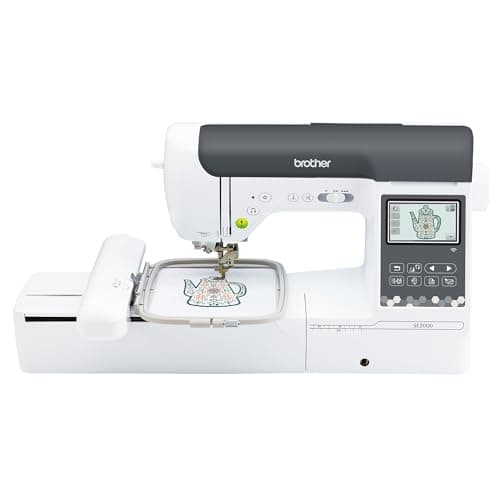
Brother SE2000, 5 x 7 in field with Wi-Fi
From Best Brother embroidery machines: PE, SE, Innov-is and PR compared
 See price on AmazonAmazon
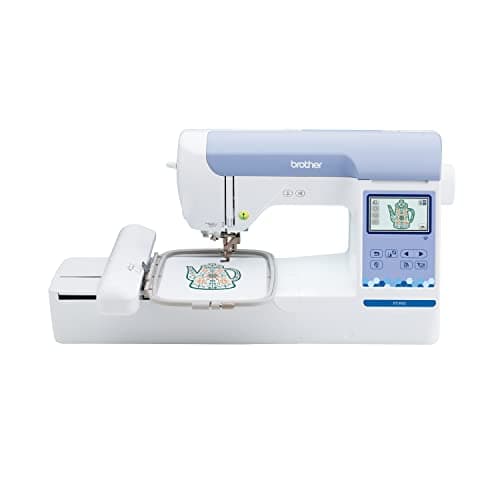
Brother PE900: 5x7 field, wireless, 193 designs