Comparison
Brother 1034DX vs Juki MO-654DE serger
Published
Short answer
Both are 3 or 4 thread home sergers, and the MO-654DE adds a 2 thread option according to its listing. Our product picks are the closest models we list: the Brother 1034D (the 1034DX is a variant of it) and the Juki MO-50E in place of the MO-654DE. The Brother 1034D listing stresses a metal frame, 1,300 stitches per minute and handling multiple layers of denim. The Juki MO-50E listing stresses lay-in tensions, an automatic lower looper threader, adjustable differential feed and a built-in rolled hem. Pick the Brother for value and heavier fabrics, the Juki for easier threading.
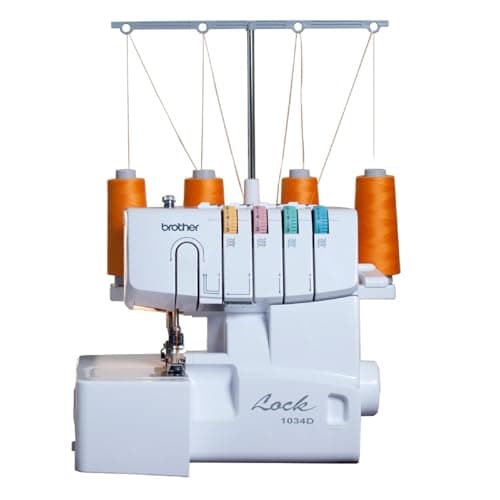
Brother
Brother 1034D, color-coded threading, metal frame
See price on Amazon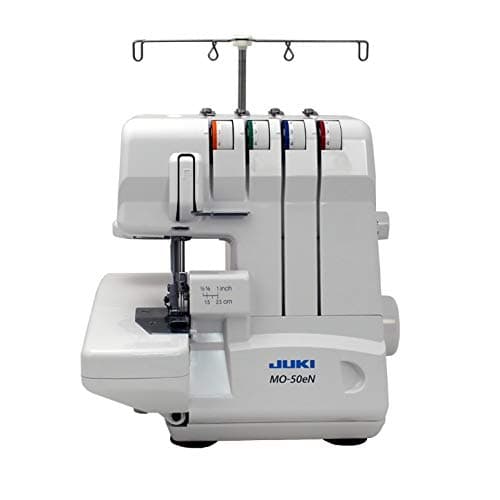
JUKI
Juki MO-50E, automatic lower looper threader
See price on Amazon
- Brother 1034D, color-coded threading, metal frame
- Threading aid
- Color-coded guides, lower looper threading system
- Thread options
- 3 or 4 threads
- Differential feed
- Not stated
- Rolled hem
- Not stated
- Juki MO-50E, automatic lower looper threader
- Threading aid
- Automatic lower looper threader, lay-in tensions
- Thread options
- 3 or 4 threads
- Differential feed
- Yes, adjustable
- Rolled hem
- Yes, built in
| Pick | Threading aid | Thread options | Differential feed | Rolled hem | Price | Link |
|---|---|---|---|---|---|---|
| Brother 1034D, color-coded threading, metal frame | Color-coded guides, lower looper threading system | 3 or 4 threads | Not stated | Not stated | - | Amazon |
| Juki MO-50E, automatic lower looper threader | Automatic lower looper threader, lay-in tensions | 3 or 4 threads | Yes, adjustable | Yes, built in | - | Amazon |
Facts are taken from each Amazon listing. Prices are checked daily and shown with their date.
Verdict
Buy the Brother 1034D (or the 1034DX variant) if you want a lower-priced, metal-frame serger rated for multiple layers of denim. Buy the Juki MO-50E, our listed alternative to the MO-654DE, if easier threading, lay-in tensions and adjustable differential feed matter most.
The Brother 1034DX and Juki MO-654DE are two of the sergers home sewists most often compare. This page is for anyone choosing a first serger or replacing an old one. We list the closest models we track: the Brother 1034D, which the 1034DX is based on, and the Juki MO-50E, a current Juki 3 or 4 thread serger, in place of the MO-654DE. Below you will find a spec table from the listings, how threading and differential feed compare, heavy fabric handling, and a verdict.
Which models this comparison uses
Product listings change often, and the exact Brother 1034DX and Juki MO-654DE are not in the set of machines we recommend in our guides. To keep product facts accurate, the products on this page are the Brother 1034D and the Juki MO-50E. The 1034DX is a closely related version of the 1034D, so the core machine facts below apply to it, but check the accessory list on any 1034DX listing because bundles differ.
The Juki MO-654DE listing we track describes it as a 2/3/4 thread overlock serger. Its listing does not give more detail, so for Juki features we use the MO-50E listing. If you are set on the MO-654DE, compare its current spec sheet against the table below.
Brother 1034D vs Juki MO-50E side by side
Read the table as a list of what each listing chooses to highlight, not as proof the other machine lacks a feature. Most home sergers in this class have differential feed and a rolled hem setting; confirm details in each manual.
Thread options
- Brother 1034D
- 3 or 4 thread
- Juki MO-50E
- 3 or 4 thread
Frame
- Brother 1034D
- Metal frame and interior components
- Juki MO-50E
- Not stated in listing
Top speed
- Brother 1034D
- 1,300 stitches per minute
- Juki MO-50E
- Not stated in listing
Threading
- Brother 1034D
- Color-coded upper guide, lower looper threading system, underlooper threader
- Juki MO-50E
- Automatic lower looper threader
Tension
- Brother 1034D
- Not stated in listing
- Juki MO-50E
- Lay-in tensions
Differential feed
- Brother 1034D
- Not stated in listing
- Juki MO-50E
- Adjustable
Knife
- Brother 1034D
- Not stated in listing
- Juki MO-50E
- Adjustable calibrated knife, retractable upper knife
Rolled hem
- Brother 1034D
- Not stated in listing
- Juki MO-50E
- Built in
Feet included
- Brother 1034D
- Standard, gathering and blind stitch snap-on feet
- Juki MO-50E
- Not stated in listing
Heavy fabric
- Brother 1034D
- Handles multiple layers of denim
- Juki MO-50E
- Not stated in listing
| Feature | Brother 1034D | Juki MO-50E |
|---|---|---|
| Thread options | 3 or 4 thread | 3 or 4 thread |
| Frame | Metal frame and interior components | Not stated in listing |
| Top speed | 1,300 stitches per minute | Not stated in listing |
| Threading | Color-coded upper guide, lower looper threading system, underlooper threader | Automatic lower looper threader |
| Tension | Not stated in listing | Lay-in tensions |
| Differential feed | Not stated in listing | Adjustable |
| Knife | Not stated in listing | Adjustable calibrated knife, retractable upper knife |
| Rolled hem | Not stated in listing | Built in |
| Feet included | Standard, gathering and blind stitch snap-on feet | Not stated in listing |
| Heavy fabric | Handles multiple layers of denim | Not stated in listing |
Threading: the biggest day-to-day difference
Threading the lower looper is the step most new serger owners struggle with. The Juki MO-50E listing calls out an automatic lower looper threader and lay-in tensions, meaning the thread drops into the tension discs as you follow the path rather than needing to be pulled through. Both features make rethreading faster and help avoid the uneven stitches you get when a thread misses its tension disc.
The Brother 1034D listing describes color-coded upper thread guides, a lower looper threading system and an underlooper threader, plus an instruction manual. Many owners learn the path quickly, and the tie-on method (tying new thread to old and pulling it through) works on both machines when you only change colors.
If threading worries you, our serger for beginners guide includes air-threading models, and how to use a serger for beginners walks through the order to thread in.
Differential feed and knits
Differential feed runs the front and rear feed dogs at different rates. A higher setting gathers or eases the fabric and stops knits from stretching into a wavy seam. A lower setting stretches slightly and stops lightweight fabric from puckering. The Juki MO-50E listing confirms adjustable differential feed. The Brother 1034D listing does not mention it, so check the manual or the machine's dial before you buy if you sew mostly knits.
The MO-50E also lists a built-in rolled hem, which is handy for napkins, scarves and ruffle edges, and a retractable upper knife, which you need out of the way for flatlock or decorative edges where you do not want to trim.
Heavy fabrics and speed
The Brother 1034D listing is explicit about strength: a metal frame and interior components, the ability to handle multiple layers of denim and other heavy materials, and 1,300 stitches per minute with the foot pedal controlling speed. That makes it a sound choice if you finish jeans seams, canvas bags or fleece.
The MO-50E listing does not state a top speed or a heavy fabric rating, though its adjustable calibrated knife lets you set cutting width for different materials. For thick work on any serger, use the right needle size, lengthen the stitch and feed slowly over bulky cross seams. If threads snap on heavy fabric, see serger thread keeps breaking.
Note.Serger knives are sharp. Turn the machine off before clearing fabric scraps, changing needles or opening the looper cover.
Who should buy which
Our best serger guide compares these with Janome and Singer models. If you are new to sergers, start with what is a serger and serger vs sewing machine.
- Brother 1034D: lower price, metal frame, stated 1,300 stitches per minute and heavy denim handling, and three snap-on feet in the box.
- Juki MO-50E: easier threading with lay-in tensions and an automatic lower looper threader, plus adjustable differential feed and a built-in rolled hem.
- Juki MO-654DE: consider it if you specifically want 2 thread capability, and compare its current listing details.
- Air-threading sergers: worth the extra cost if threading is your main worry.
Frequently asked questions
Is the Brother 1034DX the same as the 1034D? The 1034DX is a closely related version of the 1034D. Check the accessory list on the listing you are buying, because bundles vary.
Does the Juki MO-654DE do 2 thread stitches? Its listing describes it as a 2/3/4 thread overlock serger. The Brother 1034D and Juki MO-50E listings describe 3 or 4 thread operation.
Which is easier to thread? Based on the listings, the Juki MO-50E, with lay-in tensions and an automatic lower looper threader. The Brother 1034D uses color-coded guides and a lower looper threading system.
Can these sergers replace a sewing machine? No. A serger trims, seams and overcasts edges, but you still need a sewing machine for zippers, buttonholes and topstitching.