Comparison
Serger vs sewing machine: what each one does
Published
Short answer
A sewing machine sews a lockstitch with a needle and bobbin, so it handles every basic job: seams, topstitching, zippers, buttonholes and quilting. A serger (overlocker) trims, stitches and wraps the raw edge in one pass with loopers instead of a bobbin, giving stretchy knit seams and neat finished edges. Buy a sewing machine first; add a serger when you sew knits or garments often.
Brother
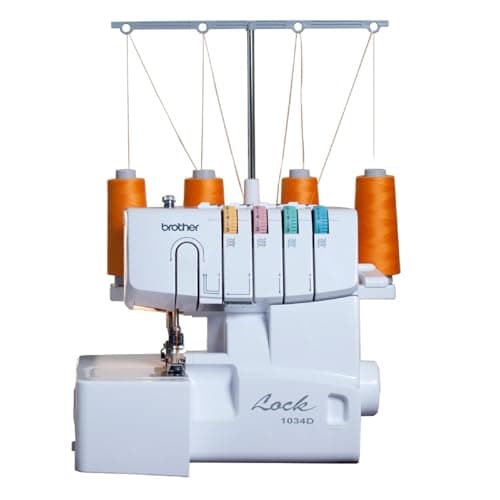
Brother 1034D, color-coded threading, metal frame
See price on Amazon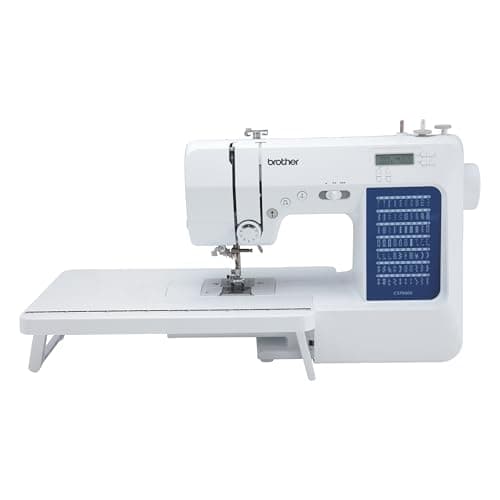
Brother
Brother CS7000X: 70 stitches, metal frame, wide table
See price on Amazon
- Brother 1034D, color-coded threading, metal frame
- Brother CS7000X: 70 stitches, metal frame, wide table
| Pick | Price | Link |
|---|---|---|
| Brother 1034D, color-coded threading, metal frame | - | Amazon |
| Brother CS7000X: 70 stitches, metal frame, wide table | - | Amazon |
Facts are taken from each Amazon listing. Prices are checked daily and shown with their date.
Verdict
Buy a sewing machine such as the Brother CS7000X first, since only a sewing machine can topstitch, sew zippers and make buttonholes. Add a serger such as the Brother 1034D when you sew knits or garments often and want fast, stretchy, finished seams.
If you are setting up a sewing space, you will soon hear that you need a serger as well as a sewing machine. This page is for beginners and garment sewists deciding whether that is true for them. It explains how each machine forms its stitch, lists the seams that need a serger and the jobs only a sewing machine can do, compares a typical model of each from our guides, and explains why many sewists end up with both. The terms serger and overlocker mean the same machine; see what is a serger for the basics.
How each machine makes a stitch
A sewing machine forms a lockstitch. One needle thread comes down from above and locks with a bobbin thread from below, in the middle of the fabric. A lockstitch is stable, it looks the same on both sides when balanced, and it can be placed anywhere on the fabric, not just at an edge.
A serger has no bobbin. It uses one or two needles plus an upper and a lower looper. The loopers carry thread around the fabric edge and interlock with the needle threads, while a knife trims the edge just ahead of the needles. The result is a seam that is sewn, trimmed and overcast in one pass, with some built-in stretch.
Side-by-side: what each one does
This table sums up the jobs each machine handles. It is about machine types, not specific models.
Straight seams in woven fabric
- Sewing machine
- Yes
- Serger
- Yes, seam and edge finish in one pass
Stretchy seams in knits
- Sewing machine
- Yes, with stretch or zigzag stitch
- Serger
- Yes, the 4-thread overlock is a common knit seam
Finishing raw edges
- Sewing machine
- Zigzag or overcast stitch
- Serger
- Yes, trims and wraps the edge
Rolled hems on light fabric
- Sewing machine
- With a rolled hem foot
- Serger
- Yes, a built-in rolled hem on many models
Topstitching
- Sewing machine
- Yes
- Serger
- No
Zippers
- Sewing machine
- Yes, with a zipper foot
- Serger
- No
Buttonholes
- Sewing machine
- Yes
- Serger
- No
Sewing away from the edge
- Sewing machine
- Yes
- Serger
- No, the knife works at the edge
Quilting
- Sewing machine
- Yes
- Serger
- No
Gathering
- Sewing machine
- Yes, with basting stitches
- Serger
- Yes, with differential feed or a gathering foot
| Task | Sewing machine | Serger |
|---|---|---|
| Straight seams in woven fabric | Yes | Yes, seam and edge finish in one pass |
| Stretchy seams in knits | Yes, with stretch or zigzag stitch | Yes, the 4-thread overlock is a common knit seam |
| Finishing raw edges | Zigzag or overcast stitch | Yes, trims and wraps the edge |
| Rolled hems on light fabric | With a rolled hem foot | Yes, a built-in rolled hem on many models |
| Topstitching | Yes | No |
| Zippers | Yes, with a zipper foot | No |
| Buttonholes | Yes | No |
| Sewing away from the edge | Yes | No, the knife works at the edge |
| Quilting | Yes | No |
| Gathering | Yes, with basting stitches | Yes, with differential feed or a gathering foot |
Seams that benefit from a serger
A serger shines on garments, especially knits. T-shirts, leggings, activewear and sweatshirts are usually seamed on a serger because the looped stitch stretches with the fabric. Differential feed, two sets of feed dogs moving at adjustable speeds, helps keep knit seams from rippling and light fabrics from puckering.
On woven fabric, a serger gives the clean inside finish seen in store-bought clothes and stops fraying on fabrics like linen and rayon. It also speeds up projects like pajamas, pillowcases and kids' clothes, where many long seams need finishing.
- Knit garments: tees, leggings, swimwear and activewear seams.
- Seam finishing on woven garments to stop fraying.
- Rolled hems on napkins, scarves and ruffles.
- Fast construction of many long seams, like sleepwear and kids' clothes.
Jobs only a sewing machine can do
A serger works at the edge of the fabric and has no bobbin, so it cannot sew a line in the middle of a panel. That rules out topstitching, zippers, buttonholes, patch pockets, appliques and quilting. It also cannot backstitch to lock a seam the way a sewing machine does.
This is why a sewing machine comes first. Every project needs some of these steps, and you can finish seam edges on a sewing machine with a zigzag or overcast stitch. Our page on how to serge without a serger shows the sewing machine methods. A serger cannot fill in for a sewing machine the other way around.
Note.A serger knife is sharp and works close to your fingers. Keep hands clear of the front of the foot, and switch the machine off before changing threads or the needle.
Two representative machines
To make the difference concrete, here are two machines from our guides. The Brother 1034D serger listing states a metal frame, 3 or 4 thread operation, up to 1,300 stitches per minute, color-coded threading and 3 snap-on feet: standard, gathering and blind stitch. The Brother CS7000X sewing machine listing states 70 stitches, 7 one-step buttonholes, an automatic needle threader, a drop-in top bobbin, 10 feet and a wide table.
Together they cover nearly every home sewing job. The CS7000X handles construction, topstitching, zippers and buttonholes; the 1034D handles knit seams and edge finishing. For more choices, see our best sergers for beginners and best sewing machines for beginners.
Why most sewists end up with both
Garment sewists usually switch between the two machines in a single project: serge the side seams, then use the sewing machine for the neckline topstitching, zipper and buttonholes. Having both set up side by side saves rethreading and changing feet.
If you sew mostly quilts or home decor, a serger is optional. If you sew clothes, especially knits, it is often the next purchase after a sewing machine. When you get one, start with our guide on how to use a serger for beginners. If you want a hem like the twin-needle finish on ready-to-wear tees, that is a coverstitch job, covered in serger vs coverstitch.
Frequently asked questions
Can a serger replace a sewing machine? No. A serger cannot topstitch, sew zippers, make buttonholes or quilt. It works only at the fabric edge, so you still need a sewing machine for most projects.
Is a serger the same as an overlocker? Yes. Serger is the common US name and overlocker is common in the UK and elsewhere. Both describe a machine that trims and overcasts the edge as it sews.
Do I need a serger to sew knits? No. A sewing machine with a ballpoint or stretch needle and a stretch or zigzag stitch sews knits well. A serger makes knit seams faster and gives a ready-to-wear finish.
Do sergers use the same needles as sewing machines? Many home sergers take standard household needles, but some specify a different system. Check your manual; our needle and thread finder covers the common types.