Comparison
Quilting machine vs sewing machine
Published
Short answer
A quilting machine is a sewing machine built for quilts: it usually has more throat space to fit a rolled quilt, a strong focus on a steady straight stitch, and quilting features such as a walking foot, knee lifter or thread cutter. A general sewing machine adds zigzag, buttonholes and decorative stitches for garments. You can quilt on a regular machine, but larger quilts and frequent free-motion work are easier on a machine built for it.
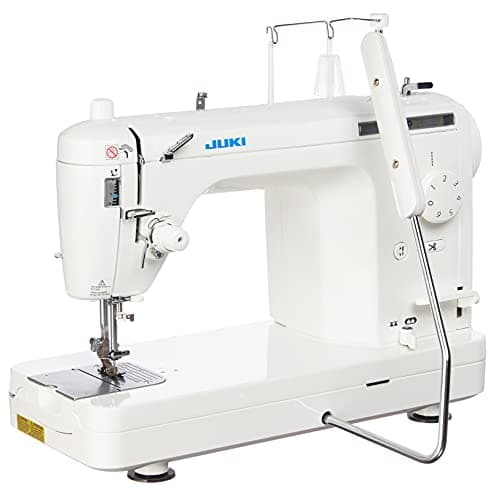
JUKI
Juki TL-2000Qi, 1,500 SPM straight stitch
See price on Amazon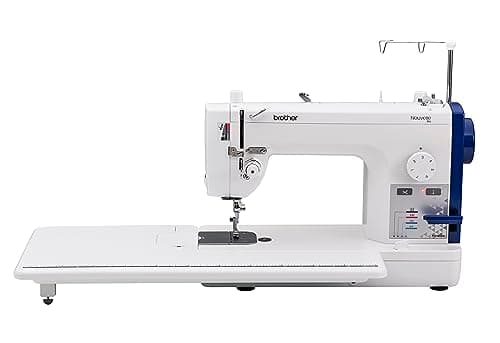
Brother
Brother PQ1600S: 5.7 x 8.7 inch needle-to-arm space
See price on Amazon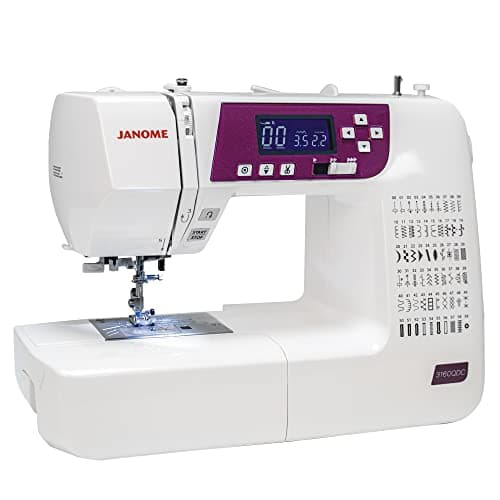
Janome
3160QDC-G: SFS+ feed in a portable QDC body
See price on Amazon
- Juki TL-2000Qi, 1,500 SPM straight stitch
- Stitch type
- Straight stitch
- Brother PQ1600S: 5.7 x 8.7 inch needle-to-arm space
- Stitch type
- Straight stitch
- 3160QDC-G: SFS+ feed in a portable QDC body
- Stitch type
- -
| Pick | Stitch type | Price | Link |
|---|---|---|---|
| Juki TL-2000Qi, 1,500 SPM straight stitch | Straight stitch | - | Amazon |
| Brother PQ1600S: 5.7 x 8.7 inch needle-to-arm space | Straight stitch | - | Amazon |
| 3160QDC-G: SFS+ feed in a portable QDC body | - | - | Amazon |
Facts are taken from each Amazon listing. Prices are checked daily and shown with their date.
Verdict
Choose a straight-stitch quilting machine like the Juki TL-2000Qi or Brother PQ1600S if you quilt often and already own a machine for garments. Choose a sewing and quilting machine like the Janome 3160QDC-G if you want one machine for quilts and everything else.
The term quilting machine covers a lot: computerized sewing machines sold with quilting feet, straight-stitch machines with long arms, and long-arm machines on frames. This page is for sewists deciding whether they need one or whether their current sewing machine will do. We explain the features that set quilting machines apart, compare three representative machines from their listings, show where a regular machine is enough, and give a checklist for choosing.
Throat space: the biggest difference
Throat space is the distance from the needle to the machine body, plus the height under the arm. When you quilt, the rolled part of the quilt has to pass through that opening. On a small machine, a twin or queen quilt fills the space and fights you on every pass. A machine with a wider throat leaves room to move the quilt, which matters most for free-motion quilting.
Quilting-focused machines usually advertise this measurement. The Brother PQ1600S listing, for example, states a 5.7 x 8.7 inch needle-to-arm space, while the Singer C7250, a general computerized machine sold for sewing and quilting, lists a 6.4 inch wide and 4.4 inch high sewing area. Our quilting machines with a large throat guide focuses on this spec.
- Standard home machine
- about 6 to 7 in
- Larger quilting machine
- about 8 to 12 in
- Longarm on a frame
- about 18 in or more
Three representative machines
The table compares a straight-stitch quilting machine, a high-speed straight-stitch machine and a computerized sewing and quilting machine, using listing facts only.
Type
- Juki TL-2000Qi
- Sewing and quilting machine
- Brother PQ1600S
- High-speed straight stitch
- Janome 3160QDC-G
- Computerized sewing and quilting
Top speed
- Juki TL-2000Qi
- 1,500 stitches per minute
- Brother PQ1600S
- 1,500 stitches per minute
- Janome 3160QDC-G
- Not stated in listing
Workspace
- Juki TL-2000Qi
- Extension table included
- Brother PQ1600S
- 5.7 x 8.7 in needle-to-arm, 11.1 x 23.3 in table
- Janome 3160QDC-G
- Extension table included
Thread cutting
- Juki TL-2000Qi
- Not stated in listing
- Brother PQ1600S
- Push-button cutter, upper and lower thread
- Janome 3160QDC-G
- Automatic thread cutter
Feed and pressure
- Juki TL-2000Qi
- Not stated in listing
- Brother PQ1600S
- 4-level feed dog and presser foot pressure adjustment
- Janome 3160QDC-G
- Superior Plus Feed System, adjustable presser foot pressure
Other
- Juki TL-2000Qi
- Aluminum die cast arm and bed, LED lights
- Brother PQ1600S
- Needle up/down stop setting
- Janome 3160QDC-G
- Speed control slider, start/stop button, free arm, hard cover
| Feature | Juki TL-2000Qi | Brother PQ1600S | Janome 3160QDC-G |
|---|---|---|---|
| Type | Sewing and quilting machine | High-speed straight stitch | Computerized sewing and quilting |
| Top speed | 1,500 stitches per minute | 1,500 stitches per minute | Not stated in listing |
| Workspace | Extension table included | 5.7 x 8.7 in needle-to-arm, 11.1 x 23.3 in table | Extension table included |
| Thread cutting | Not stated in listing | Push-button cutter, upper and lower thread | Automatic thread cutter |
| Feed and pressure | Not stated in listing | 4-level feed dog and presser foot pressure adjustment | Superior Plus Feed System, adjustable presser foot pressure |
| Other | Aluminum die cast arm and bed, LED lights | Needle up/down stop setting | Speed control slider, start/stop button, free arm, hard cover |
Straight stitch focus and feed control
Quilting is mostly straight stitching: piecing blocks with a 1/4 inch seam, then quilting through three layers. Straight-stitch machines like the Juki TL-2000Qi and Brother PQ1600S give up zigzag and decorative stitches in exchange for a fast, steady stitch. That is why many quilters own one alongside a regular machine.
Feed control matters as much as the stitch. Quilt layers shift, so features that hold them together help: a walking foot, adjustable presser foot pressure, adjustable feed dogs, and the ability to drop the feed dogs for free motion. The Janome 3160QDC-G listing names its Superior Plus Feed System, and the PQ1600S lists four levels of feed dog and presser foot adjustment. Read how to use a walking foot for quilting for technique.
Features that make quilting easier
Stitch regulation, which keeps stitch length even while you move the quilt by hand, is common on long-arm and some sit-down quilting machines. It is rare on budget sewing machines. If even free-motion stitches are a priority, check whether a machine offers it before you buy.
- Larger throat space for rolled quilts.
- Extension table or a sewing table that sets the bed flush.
- Walking foot and free-motion (darning) foot.
- Needle up/down stop so the needle holds the quilt when you pivot.
- Automatic thread cutter to save trimming between areas.
- Knee lifter to raise the foot hands-free.
- Speed control or a start/stop button for steady free-motion.
When a regular sewing machine is enough
Plenty of quilts are made on ordinary sewing machines. If you mostly piece tops and send them to a long-arm service, or you make baby quilts, wall hangings and table runners, a regular machine with a 1/4 inch foot and a walking foot will do the job. Our guide on how to quilt on a regular sewing machine covers the methods.
A general machine also does everything else: zigzag, buttonholes, stretch stitches and decorative stitches. If you sew garments as well as quilts, a computerized sewing and quilting machine such as the Janome 3160QDC-G gives you both, while a straight-stitch machine would leave you needing a second machine.
How to choose
See our best sewing machine for quilting, sewing tables for quilting and how much a quilting machine costs. If you are deciding between two Jukis, read Juki TL-2010Q vs TL-2000Qi.
- 1
Decide quilt size: lap and baby quilts fit almost any machine; queen and king quilts benefit from a wider throat.
- 2
Decide method: if you piece and send out, any reliable machine works; if you quilt at home, prioritize throat space and feed control.
- 3
Decide whether you also sew garments: if yes, pick a sewing and quilting machine or plan on two machines.
- 4
Budget for a table and good lighting, which help large quilts as much as the machine does.
Frequently asked questions
Can you quilt with a regular sewing machine? Yes. Use a walking foot for straight-line quilting and a darning foot with the feed dogs lowered for free motion. Smaller quilts are much easier than large ones.
Do quilting machines do zigzag? Some do and some do not. Computerized sewing and quilting machines include zigzag and decorative stitches. Straight-stitch machines like the Juki TL-2000Qi and Brother PQ1600S sew a straight stitch only.
What is throat space and how much do I need? It is the space between the needle and the machine body. More space makes queen and king quilts easier to move. For small quilts, a standard machine is usually fine.
Is a long-arm the same as a quilting machine? A long-arm is a type of quilting machine, usually mounted on a frame with much more throat space than a sit-down machine. Many home quilters use a sit-down machine instead.
What you need for this
 See price on AmazonAmazon
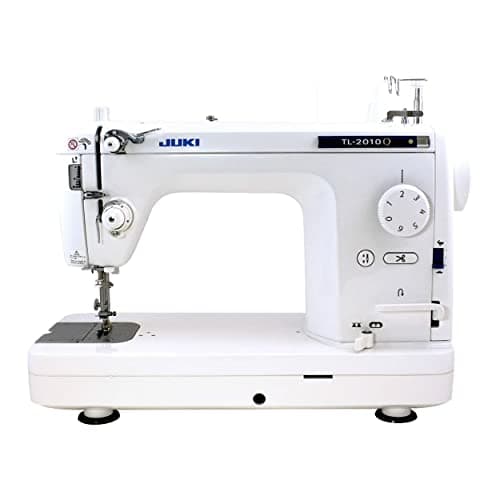
Juki TL-2010Q: lockstitch with knee lifter and auto trimmer
From Best sewing machines for quilting, from piecing to queen quilts
 See price on AmazonAmazon
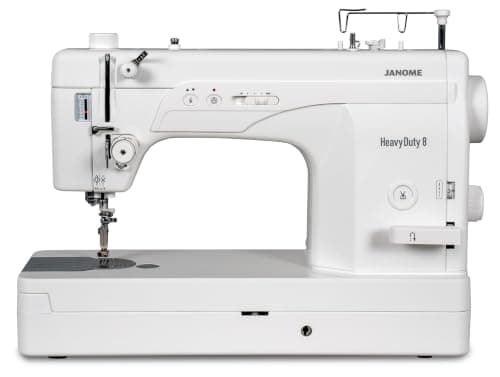
Janome HD8: 9 x 6 inch workspace, 1,600 spm
 See price on AmazonAmazon
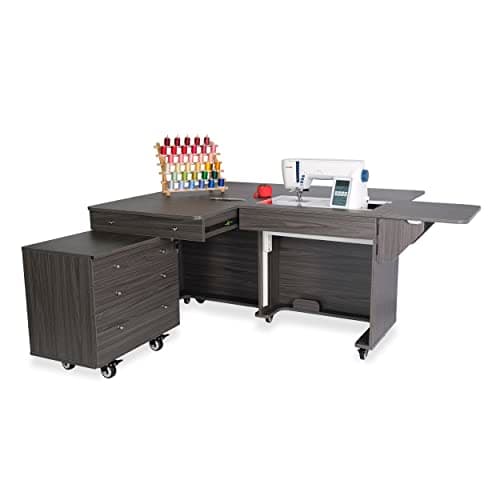
Kangaroo Quilting cabinet with Joey caddy, A7 hydraulic lift