Comparison
Juki TL-2010Q vs TL-2000Qi for quilters
Published
Short answer
The Juki TL-2010Q and TL-2000Qi are both single-needle lockstitch machines aimed at quilters, and the TL-2000Qi listing states 1,500 stitches per minute. The TL-2010Q is the newer, higher-priced model, and its listing adds an automatic thread trimmer that cuts both threads at the push of a button plus a knee lifter that raises the foot up to 12 mm. If you want hands-free foot lifting and automatic trimming, get the TL-2010Q; if you want the lower price, the TL-2000Qi covers the core sewing.
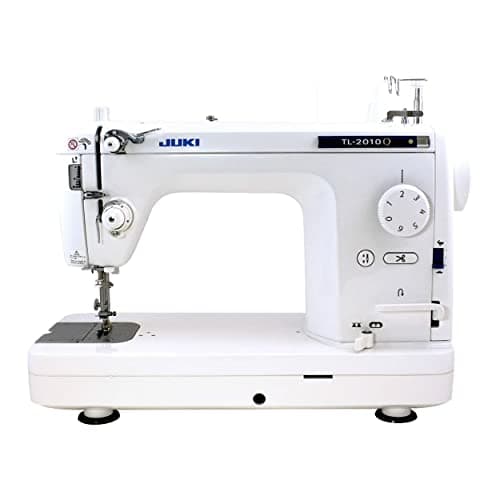
JUKI
Juki TL-2010Q: lockstitch with knee lifter and auto trimmer
See price on Amazon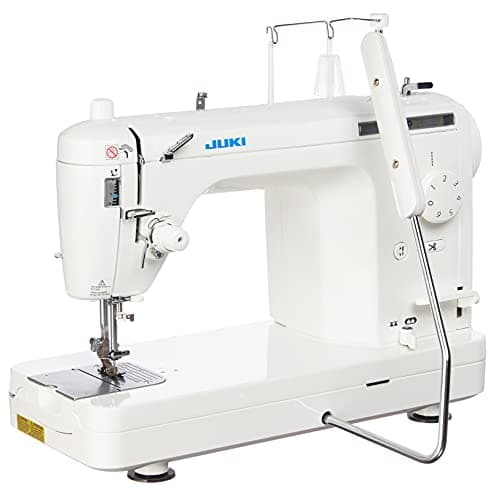
JUKI
Juki TL-2000Qi, 1,500 SPM straight stitch
See price on Amazon
- Juki TL-2010Q: lockstitch with knee lifter and auto trimmer
- Feed system
- Not stated
- Knee lifter
- Yes, lifts foot to 12mm
- Juki TL-2000Qi, 1,500 SPM straight stitch
- Feed system
- Not stated
- Knee lifter
- Not stated
| Pick | Feed system | Knee lifter | Price | Link |
|---|---|---|---|---|
| Juki TL-2010Q: lockstitch with knee lifter and auto trimmer | Not stated | Yes, lifts foot to 12mm | - | Amazon |
| Juki TL-2000Qi, 1,500 SPM straight stitch | Not stated | Not stated | - | Amazon |
Facts are taken from each Amazon listing. Prices are checked daily and shown with their date.
Verdict
Buy the Juki TL-2010Q if an automatic thread trimmer and knee lifter will speed up your piecing and quilting. Buy the TL-2000Qi if you want a fast 1,500 stitch per minute straight stitch for less money and can live without those extras.
This comparison is for quilters, and garment sewists who like a fast straight stitch, who have narrowed their choice to Juki's two popular TL-series machines. Both are built around a straight stitch and both target quilting, but they are not identical. Below you will find a side-by-side table built from the listings, what each listed feature does for quilting work, what the listings do not tell you and where to check it, how they compare to a regular sewing machine, and a verdict on who should buy which.
TL-2010Q vs TL-2000Qi side by side
The table lists only what the current product listings state. Where a listing does not mention a feature, the table says so rather than guessing. Juki's own spec sheets have the full details on throat space, speed and controls for each model.
Machine type
- Juki TL-2010Q
- 1-needle lockstitch, portable
- Juki TL-2000Qi
- Sewing and quilting machine
Top speed
- Juki TL-2010Q
- Not stated in listing
- Juki TL-2000Qi
- 1,500 stitches per minute
Thread trimmer
- Juki TL-2010Q
- Automatic, cuts needle and bobbin threads by push button
- Juki TL-2000Qi
- Not stated in listing
Knee lifter
- Juki TL-2010Q
- Yes, presser foot rises up to 12 mm
- Juki TL-2000Qi
- Not stated in listing
Needle threader
- Juki TL-2010Q
- Automatic, push lever
- Juki TL-2000Qi
- Automatic
Frame
- Juki TL-2010Q
- Not stated in listing
- Juki TL-2000Qi
- Aluminum die cast arm and bed for low vibration
Lighting
- Juki TL-2010Q
- Not stated in listing
- Juki TL-2000Qi
- LED lights
Extension table
- Juki TL-2010Q
- Not stated in listing
- Juki TL-2000Qi
- Included
| Feature | Juki TL-2010Q | Juki TL-2000Qi |
|---|---|---|
| Machine type | 1-needle lockstitch, portable | Sewing and quilting machine |
| Top speed | Not stated in listing | 1,500 stitches per minute |
| Thread trimmer | Automatic, cuts needle and bobbin threads by push button | Not stated in listing |
| Knee lifter | Yes, presser foot rises up to 12 mm | Not stated in listing |
| Needle threader | Automatic, push lever | Automatic |
| Frame | Not stated in listing | Aluminum die cast arm and bed for low vibration |
| Lighting | Not stated in listing | LED lights |
| Extension table | Not stated in listing | Included |
What the TL-2010Q adds for quilting
The two features the TL-2010Q listing highlights are both about keeping your hands on the quilt. The automatic thread trimmer cuts the needle and bobbin threads at the end of a seam with a light press of a button. When you are chain piecing or free-motion quilting many separate areas, that saves reaching for scissors dozens of times per session and leaves shorter tails to bury.
The knee lifter raises and lowers the presser foot with your knee, so both hands can stay on the fabric while you pivot at corners or reposition a quilt sandwich. The listing says the foot lifts as high as 12 mm, which helps when sliding thick layers in and out from under the foot.
Many quilters also choose the TL-2010Q for its speed control and its stitch length setting. Those controls are not described in the listing used here, so check Juki's current TL-2010Q spec sheet if they are deciding factors for you.
What the TL-2000Qi still does well
The TL-2000Qi listing focuses on the basics that matter for straight-line piecing and quilting: 1,500 stitches per minute, an aluminum die cast arm and bed for low vibration, an automatic needle threader, LED lights and an included extension table for a wider work area. The listing also notes one pedal operation.
For many quilters, that is enough. A fast, steady straight stitch is what piecing and straight-line quilting need, and the TL-2000Qi has been a common choice in this class for years. The money you save compared with the TL-2010Q can go toward a quilting table that sets the bed flush with the table surface, which often helps large quilts more than any single machine feature.
Throat space and why these machines suit quilting
Throat space, sometimes called harp space, is the distance from the needle to the machine body. It sets how much rolled quilt fits under the arm. Machines in the TL class are built with a longer arm than most budget home machines, which is why quilters pick them. Neither listing used here states the exact throat measurement, so compare figures on Juki's spec sheets before you buy.
Both machines are straight-stitch machines. They do not do zigzag, buttonholes or decorative stitches. That is a trade many quilters accept for a cleaner, more consistent straight stitch, but if you also sew garments you will likely want a second machine. Our quilting machine vs sewing machine comparison goes deeper on this trade.
- Standard home machine
- about 6 to 7 in
- Larger quilting machine
- about 8 to 12 in
- Longarm on a frame
- about 18 in or more
Which one fits your quilting
For more options in this category, see our guides to the best sewing machine for quilting, quilting machines with a large throat and the best Juki sewing machines. If you are still budgeting, how much a quilting machine costs lays out the price tiers.
- Choose the TL-2010Q if you chain piece a lot, free-motion quilt in many small areas, or want both hands free with a knee lifter.
- Choose the TL-2000Qi if you want the lower price and mainly need a fast, steady straight stitch.
- Choose either if you plan to set it into a sewing table or frame for larger quilts.
- Choose neither as your only machine if you also sew garments with zigzag or buttonholes.
Needles and feet for either machine
Both machines take a straight-stitch approach, so match your needle to the job. Quilting needles in the 75/11 to 90/14 range are common for sewing through batting, and our page on what size needle for machine quilting explains how to choose. Before buying accessories, confirm which needle system and feet your model's manual lists, because semi-industrial straight-stitch machines can differ from standard home machines.
A walking foot helps keep layers aligned for straight-line quilting. See how to use a walking foot for quilting for setup tips that apply to both machines.
Frequently asked questions
Does the Juki TL-2000Qi have a thread cutter? The listing used here does not mention one. The TL-2010Q listing does: an automatic trimmer that cuts both the needle and bobbin threads by push button.
Do these Jukis sew zigzag? No. Both are straight-stitch quilting and sewing machines. You need a separate machine for zigzag, buttonholes and decorative stitches.
How fast is the TL-2000Qi? Its listing states 1,500 stitches per minute.
Is the knee lifter worth it? For quilting, many sewists find it useful because it lets you lift the foot to pivot without taking your hands off the quilt. The TL-2010Q listing states it raises the foot up to 12 mm.
What you need for this
- See price on AmazonAmazon
Juki TL-2010Q: lockstitch with knee lifter and auto trimmer
From Best sewing machines for quilting, from piecing to queen quilts
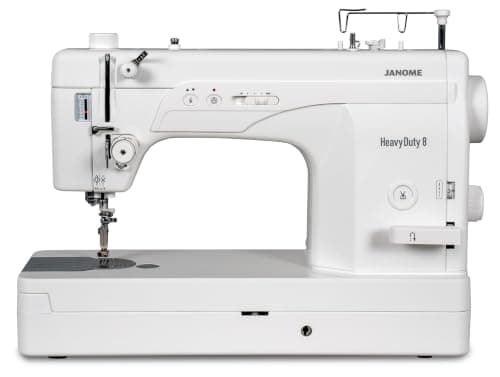 See price on AmazonAmazon
Janome HD8: 9 x 6 inch workspace, 1,600 spm