How-to
How to choose a sewing machine
Published
Short answer
Start with what you will sew, not with features. Garments and general sewing need a reliable machine with a good buttonhole and adjustable stitch length and width. Quilting needs space and even feeding. Thick fabrics need a sturdy, heavy-duty or straight-stitch machine. Embroidery needs an embroidery unit. Then pick mechanical or computerized, and set a budget for that class.
Machines for this job
All 7 picks compared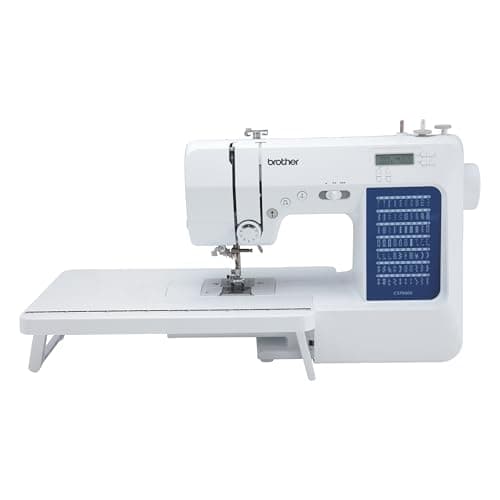
Brother CS7000X: 70 stitches, metal frame, wide table
See price on AmazonSee it on Amazon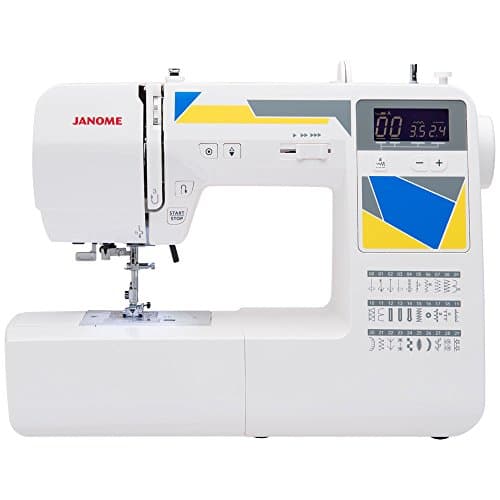
Janome MOD-30: 30 stitches with 3 one-step buttonholes
See price on AmazonSee it on Amazon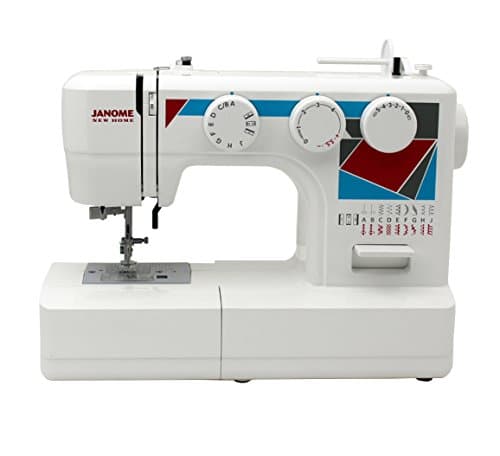
Janome MOD-19: simple mechanical with 19 stitches
See price on AmazonSee it on Amazon
If you are asking what sewing machine you should buy, this page gives you a short path to an answer. It is for first-time buyers and for sewists replacing an older machine. You will work through five questions: what you plan to make, which fabrics you will use, how much you want the machine to do for you, how much space you have and what you want to spend. Each step points to the guide that fits, so you finish with a short list instead of a hundred browser tabs.
Step 1: Decide what you will make
Your projects decide the type of machine more than anything else. Write down the three things you most want to sew in the next year and match them to the table.
Mending, simple home decor, learning
- Machine type
- Basic mechanical or computerized
- Start with
- Beginner guide
Clothes from wovens and knits
- Machine type
- Computerized with good buttonholes
- Start with
- Clothes guide, plus a serger later
Quilts
- Machine type
- Quilting machine with wide table and walking foot
- Start with
- Quilting guide
Denim, canvas, bags, upholstery
- Machine type
- Heavy-duty or straight-stitch
- Start with
- Heavy-duty guide
Monograms and designs
- Machine type
- Embroidery or sewing and embroidery combo
- Start with
- Embroidery guides
Knit seams and finished edges
- Machine type
- Serger alongside a sewing machine
- Start with
- Serger guide
| Main projects | Machine type | Start with |
|---|---|---|
| Mending, simple home decor, learning | Basic mechanical or computerized | Beginner guide |
| Clothes from wovens and knits | Computerized with good buttonholes | Clothes guide, plus a serger later |
| Quilts | Quilting machine with wide table and walking foot | Quilting guide |
| Denim, canvas, bags, upholstery | Heavy-duty or straight-stitch | Heavy-duty guide |
| Monograms and designs | Embroidery or sewing and embroidery combo | Embroidery guides |
| Knit seams and finished edges | Serger alongside a sewing machine | Serger guide |
Step 2: Match the machine to your fabrics
Light and medium fabrics such as quilting cotton, shirting and jersey are fine on almost any home machine with the right needle. Heavier fabrics such as denim, canvas and multiple layers of webbing need a machine with a strong motor, good piercing power and a metal frame. Machines sold as heavy duty, like the Janome HD3000 class, or straight-stitch machines like the Juki TL-2000Qi are better suited to them.
Leather and vinyl need a walking foot or roller foot and sometimes an industrial machine for thick hides. See how to sew leather on a home machine before you buy for leatherwork. Whatever you sew, the correct needle matters as much as the machine; our needle and thread finder gives the right pair for each fabric.
Step 3: Mechanical or computerized
A mechanical machine uses dials to set the stitch, length and width. It is simple, usually cheaper and easy to understand. A computerized machine uses buttons and a screen, offers more stitches and adds conveniences such as one-step buttonholes, needle up and down, a start and stop button, speed control and an automatic thread cutter on some models.
For beginners, either works. The features that make the biggest difference day to day are an automatic needle threader, a drop-in bobbin, a one-step buttonhole, adjustable stitch length and width, and the ability to lower the feed dogs. A long list of decorative stitches is nice but rarely decisive.
If you are weighing brands, Janome vs Brother and Brother vs Singer compare the big names.
- Automatic needle threader
- Top drop-in bobbin with a clear cover
- One-step buttonhole
- Adjustable stitch length and width
- Drop feed for free-motion work
- Speed control for learning
Step 4: Check your space
Measure the table where the machine will live. Quilters need a deep surface or an extension table to support the quilt, and a machine with more throat space, the room to the right of the needle, makes large projects easier. If you will put the machine away after each use, weight matters; heavy-duty and all-metal machines can be hard to lift.
Combos save space. A sewing and embroidery machine does both jobs in one footprint, while a separate embroidery machine and sewing machine need room for both. For a dedicated sewing area, a table that sets the machine bed flush with the surface helps with quilts and large garments.
Step 5: Set a budget for that class
Prices change often, but in our current listings basic mechanical machines such as the Janome Blue Couture, MOD-15 and 2212 run about $160 to $220. Entry computerized machines such as the Brother CS7000X, CS7205, Janome JW8100 and Singer C7250 run about $250 to $370. Sturdier mid-range machines such as the Janome HD3000, Bernette B37 and Juki HZL-LB5100 run about $470 to $650.
Quilting, heavy-duty and embroidery machines climb from there. See how much a sewing machine costs for the bigger picture and the sewing machines under $500 guide if you have a firm cap. A machine you will use for years is worth buying from a source that offers support and a warranty; how long sewing machines last explains what affects lifespan.
Basic mechanical
- Examples
- Janome Blue Couture, MOD-15, 2212
- Approximate price
- $160 to $220
Entry computerized
- Examples
- Brother CS7000X, CS7205, Janome JW8100, Singer C7250
- Approximate price
- $250 to $370
Sturdier mid-range
- Examples
- Janome HD3000, Bernette B37, Juki HZL-LB5100
- Approximate price
- $470 to $650
| Class | Examples | Approximate price |
|---|---|---|
| Basic mechanical | Janome Blue Couture, MOD-15, 2212 | $160 to $220 |
| Entry computerized | Brother CS7000X, CS7205, Janome JW8100, Singer C7250 | $250 to $370 |
| Sturdier mid-range | Janome HD3000, Bernette B37, Juki HZL-LB5100 | $470 to $650 |
Put it together
If your answers point to clothes, go to the clothes-making guide. If they point to quilts, go to the quilting guide. If they point to embroidery, start with embroidery machines for beginners.
- 1
Pick the machine type from your main projects in Step 1.
- 2
Check that it handles your heaviest fabric from Step 2.
- 3
Choose mechanical or computerized and confirm the must-have features from Step 3.
- 4
Measure your space and check the machine's size and weight from Step 4.
- 5
Set your budget band and read the matching guide.
Frequently asked questions
What kind of sewing machine do I need as a beginner? A basic mechanical or entry computerized machine with a needle threader, drop-in bobbin, one-step buttonhole and adjustable stitch length and width covers most beginner projects.
Is a computerized sewing machine better? Not always. It adds convenience and stitches, but a good mechanical machine sews just as well. Choose based on the features you will actually use.
Do I need a heavy-duty sewing machine? Only if you often sew denim, canvas, many layers or upholstery. For quilting cotton and garment fabrics, a standard machine is enough.
Should I buy a serger at the same time? Most people start with a sewing machine and add a serger later if they sew a lot of knits or want finished seams. See what a serger is.
What you need for this
- See price on AmazonAmazon
Brother CS7000X: 70 stitches, metal frame, wide table
 See price on AmazonAmazon
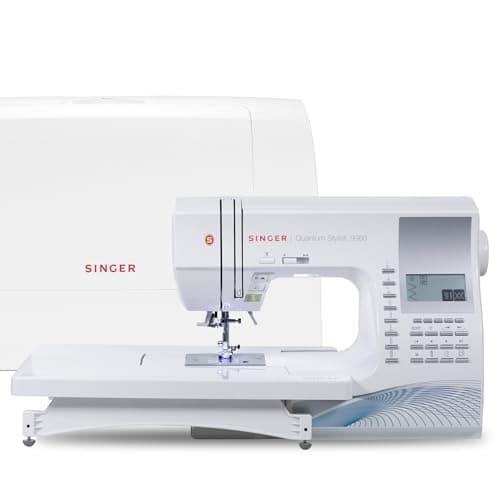
SINGER Quantum Stylist 9960, 600 stitches and 13 feet
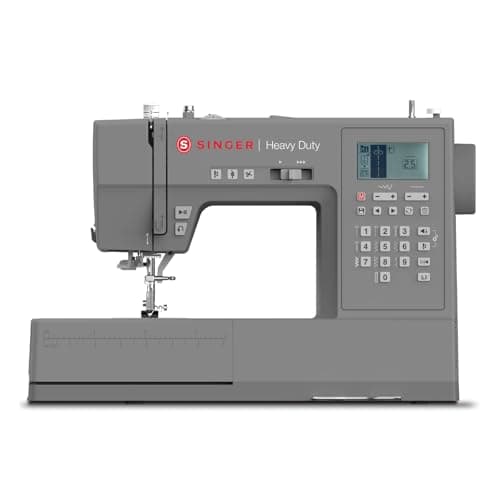 See price on AmazonAmazon
SINGER 6800C, heavy duty computerized, 1,100 SPM
From Best sewing machines under $500 and what each price step adds
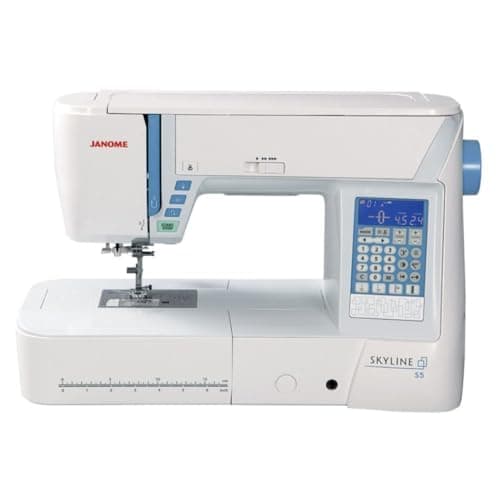 See price on AmazonAmazon
Janome Skyline S5 with 7-piece Superior Plus Feed